0
0



Fabric Preparation
Before fabric enters the cutting room, its condition may need to be checked or stabilized depending on the material and production requirements. Fabric tension, shrinkage and surface defects can affect spreading and cutting in different ways, so relaxing, shrinking and inspection serve separate purposes before cutting begins.
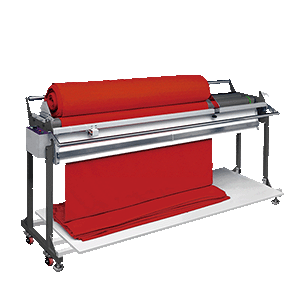
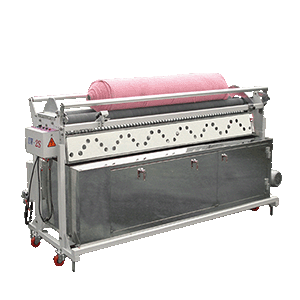
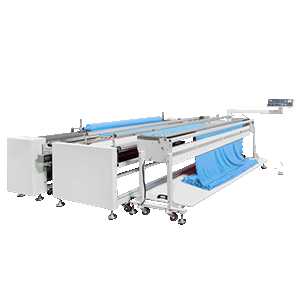
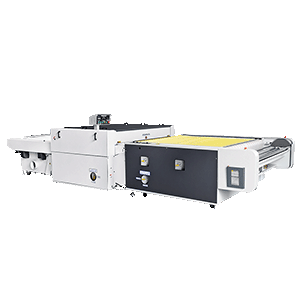
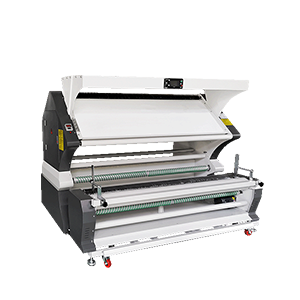
Our fabric preparation equipment covers fabric relaxing, steam shrinking and fabric inspection. Relaxing machines are used when rolled fabric needs time or steam assistance to release retained tension. Steam shrinking machines are used when shrinkage and dimensional stability need to be controlled before cutting. Fabric inspection machines are used to check fabric condition, usable length and defects before the material moves downstream.
Relaxing, Shrinking and Inspection Serve Different Purposes
Fabric relaxing is mainly used for knitted, stretch and tension-sensitive fabrics that may retain tension from knitting, finishing, rolling, storage or transportation. Depending on the production schedule, factories can use time-based relaxation or steam-assisted relaxing to prepare the material before spreading.
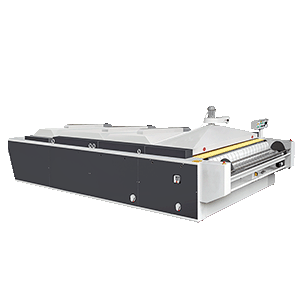
Fabric shrinking focuses on shrinkage and dimensional stability. Steam, heat and cooling are applied under controlled conditions before the material is cut, with different machine sizes and configurations available according to fabric width and production volume.
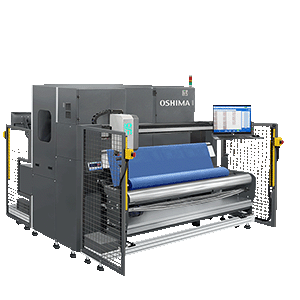
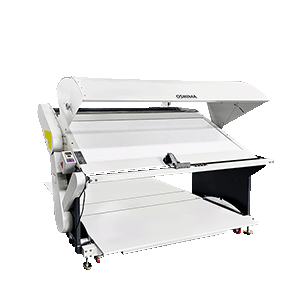
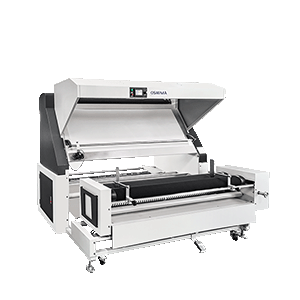
Fabric inspection focuses on the actual condition of each fabric roll. Inspection can range from conventional visual checking and automatic edge alignment to EagleAi® AI defect detection and digital inspection records.
Not every fabric requires the same preparation process. The appropriate combination depends on the material, the cutting-room workflow and what the factory needs to confirm before spreading and cutting.