0



Products
- Home
- Products
- Quality Control, Packing & Factory Support
- Shipment Inspection, Sorting & Data Tracking Equipment
Shipment Inspection, Sorting & Data Tracking Equipment
OSHIMA provides shipment inspection, automatic sorting and data tracking equipment for garment, textile and related manufacturing industries. These solutions help factories check cartons for applicable metal contamination and weight deviations, verify product identification through barcodes or RFID, and organize products for shipment.
| Model | Main Application | Key Selection Considerations |
|---|---|---|
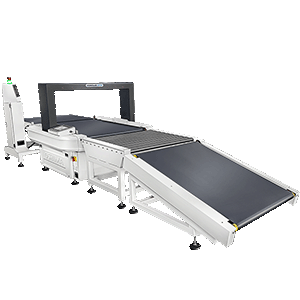
| OMW-600 / 800 / 1000 | Carton needle detection and checkweighing | Checks shipping cartons for detectable ferrous metal contamination and verifies whether carton weight falls within the specified range. Selection should consider carton dimensions, weight, product contents and required inspection conditions. |
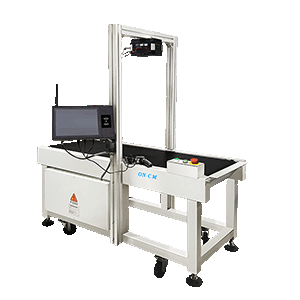
| ON-CM | Conveyor barcode reading and product identification | Reads barcodes in a compatible conveying workflow to support product identification, shipment verification and related records. Barcode formats, label placement and reading conditions should be confirmed. |
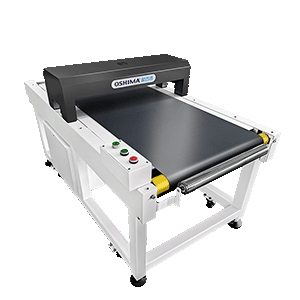
| ON-RFID | RFID identification and item-level garment tracking | Reads compatible RFID-tagged products to support individual identification and, where integrated with suitable data systems, quality records and shipment traceability. Tag compatibility, reading conditions and interfaces should be verified. |
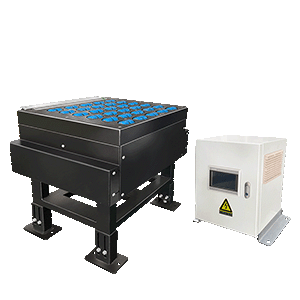
| ON-5 | Automatic product sorting and routing | Directs products to designated paths according to configured sorting rules. The published maximum throughput is 3,000 items per hour; actual capacity depends on product dimensions, weight, conveyor arrangement and operating conditions. |
Shipment Inspection, Sorting & Data Tracking Guides
- Why Garment Packing Machines Matter Before Shipment
- Garment Quality Control: From Production Inspection to Final Shipment
Need Help Planning Shipment Inspection & Automatic Sorting?
Share your product types, package dimensions, weight range, hourly shipment volume, barcode or RFID identification requirements, sorting destinations and any existing production or shipment data systems.