0
0



- Home
- Products
- Industrial Boiler
- Industrial Biomass Boilers
Industrial Biomass Boilers
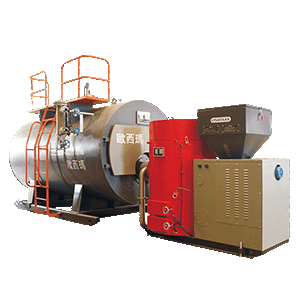
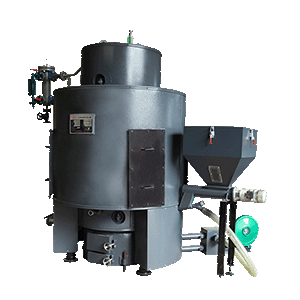
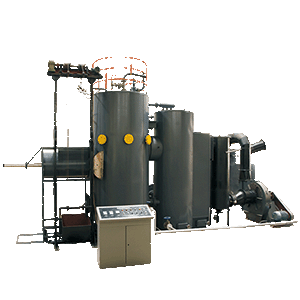
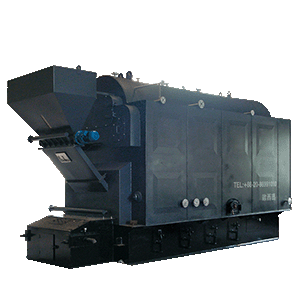
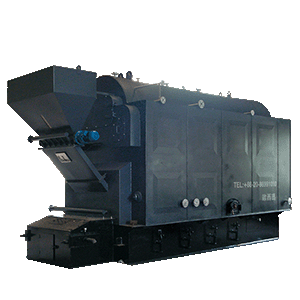
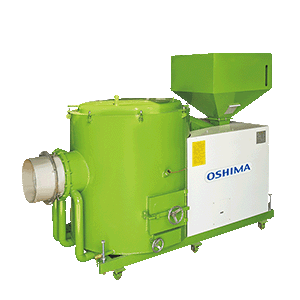
Industrial biomass boilers use wood pellets, wood chips, agricultural residues and other biomass fuels to generate steam or process heat. OSHIMA offers horizontal, vertical, single-drum and double-drum biomass boiler configurations for different steam capacities and fuel conditions.
Common biomass fuels include wood pellets, wood chips, logs, crop residues, and certain types of organic waste. Biomass boilers are increasingly used in industrial applications as a renewable alternative to fossil fuel-based boiler systems.
Biomass boilers are commonly applied in textile processing, garment manufacturing, food production, and other industries that want to reduce environmental impact while maintaining a stable energy supply.
Common Types of Biomass Fuel
- Wood pellets: One of the most widely used biomass fuels. Suitable for automated systems with stable combustion and consistent fuel quality.
- Wood chips: Commonly used in larger industrial systems with automated feeding. Cost-effective for high-volume applications when local supply is stable.
- Logs: Usually used in smaller or semi-manual systems. Manual loading is often required, making them less suitable for continuous industrial operation.
In addition to wood-based fuels, biomass systems may also use agricultural residues, such as straw, as well as energy crops, food waste, and certain industrial by-products, depending on local fuel availability and system design.
How Does a Biomass Boiler Work?
A biomass boiler generates heat by combusting organic materials. The heat produced is transferred through a heat exchanger to water or thermal oil, creating steam or hot fluid for industrial use.
This energy can be used for steam generation, heating processes, and other production support systems. The overall performance depends on boiler design, fuel quality, combustion control, and regular maintenance.
Key Benefits
- Renewable energy source with reduced dependence on fossil fuels
- Lower carbon emissions compared with many conventional fuel systems
- Cost-effective fuel option in many regions
- Supports waste-to-energy utilization
- Enhances energy security through local fuel sourcing
- Suitable for factories with access to stable biomass resources
Things to Consider
- Larger installation space and fuel storage area may be required
- Initial investment is often higher than gas or oil-fired systems
- Regular maintenance is required, including cleaning and ash removal
- Fuel supply, quality, and pricing may vary by region and season
- Some systems require manual fuel handling
- Environmental impact depends on the full lifecycle, including processing and transport
- Local air quality may be affected if combustion and emission control are not properly managed
When to Choose a Biomass Boiler
A biomass boiler is suitable for manufacturers that want to balance sustainability, cost control, and long-term energy strategy. It is especially practical for factories with access to reliable biomass fuel sources or facilities looking to make use of local agricultural or wood-based resources.
Although biomass is often considered a lower-carbon fuel source, its actual environmental performance depends on the full lifecycle of the fuel, including cultivation, processing, transportation, combustion, and ash handling. For this reason, fuel sourcing and system management should be evaluated carefully.
For industries seeking a renewable and scalable energy solution, biomass boilers can offer a practical path toward more sustainable manufacturing while reducing reliance on imported fossil fuels.