0
0



- Home
- Products
- Industrial Boiler
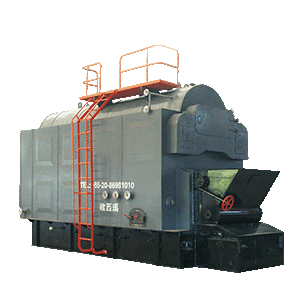
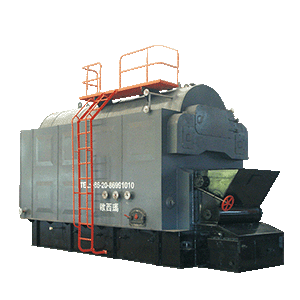
- Industrial Coal-Fired Steam Boilers
Industrial Coal-Fired Steam Boilers
A coal-fired boiler is a steam generation system that uses coal as its primary fuel. Through combustion, the boiler produces heat to generate steam for power generation, industrial heating, drying, and other production processes.
Coal-fired boilers have historically been widely used in power plants, heavy industries, and large-scale manufacturing facilities due to the availability and relatively low cost of coal. They are capable of producing large amounts of heat and steam for continuous high-load operation.
However, coal-fired systems are also subject to stricter environmental regulations because they produce higher carbon emissions and pollutants compared with many other fuel systems.
How Does a Coal-Fired Boiler Work?
Coal is burned inside the combustion chamber to generate heat. This heat is transferred through boiler tubes to water, converting it into high-pressure steam for industrial or power generation use.
The generated steam can be used to:
- Drive turbines for electricity generation
- Supply steam for industrial production processes
- Provide heating for large-scale facilities
- Support drying, pressing, and other heat-related applications
Common Types of Coal-Fired Boilers
- Pulverized coal boiler: One of the most widely used coal-fired boiler types. Coal is ground into fine powder before combustion, supporting stable burning and high efficiency. Best for large-scale systems, stable combustion, and high-efficiency operation.
- Cyclone-fired boiler: Designed for specific coal types and high-intensity combustion. It is usually applied in large-capacity systems that require strong heat output. Best for specific coal types, strong heat output, and high-capacity operation.
- Fluidized bed boiler: Uses a fluidized bed combustion process to improve fuel flexibility, combustion efficiency, and emission control performance. Best for fuel flexibility, improved emission control, and industrial steam applications.
Each boiler type is selected based on coal characteristics, steam capacity requirements, operating conditions, and environmental control needs.
Key Benefits
- Low fuel cost in regions with abundant coal supply
- Capable of generating large amounts of heat and steam
- Suitable for large-scale and continuous industrial operation
- Mature and well-established boiler technology
- Reliable for high-load steam demand
Things to Consider
- Higher carbon emissions compared with gas, oil, electric, or biomass systems
- Produces pollutants such as CO₂, SO₂, NOx, and particulate matter
- Requires ash handling, collection, and disposal systems
- Environmental regulations are increasingly strict in many regions
- Higher investment may be required for emission control systems
- Regular maintenance is necessary to maintain efficiency and safety
Regulations and Environmental Considerations
Coal-fired boilers are subject to strict environmental regulations in many countries. To comply with emission standards, coal-fired systems often require additional equipment for flue gas treatment and pollution control.
- Flue gas desulfurization systems, such as scrubbers
- DeNOx systems for nitrogen oxide reduction
- Dust collection systems for particulate matter control
- Ash handling and disposal systems
- Continuous monitoring of emission performance
In some applications, co-firing with biomass may be considered to reduce fossil fuel use and improve environmental performance.
Maintenance Requirements
Regular maintenance is essential for coal-fired boilers because combustion residue, ash, and soot can affect heat transfer efficiency and operational safety.
- Cleaning boiler tubes and heat exchange surfaces
- Inspecting combustion systems and fuel feeding equipment
- Monitoring emission control equipment
- Managing ash removal and disposal systems
- Checking safety controls and pressure-related components
Future Trends
Due to global decarbonization policies and growing environmental concerns, many regions are gradually reducing reliance on coal-fired systems. Alternatives such as natural gas, electric boilers, biomass boilers, and renewable energy solutions are increasingly adopted.
However, in regions where coal remains abundant and cost-effective, coal-fired boilers may still be used, usually with upgraded emission control technologies and stricter operating standards.
When to Choose a Coal-Fired Boiler
A coal-fired boiler may be considered in specific industrial contexts where coal is locally available, fuel cost is a key concern, and large-scale steam demand must be supported continuously.
For applications where low fuel cost and high-volume heat generation are primary considerations, coal-fired boilers can still serve as a viable solution, although they are increasingly regulated and require careful environmental management.