
 0
0



- Home
- Blog
- Smart Manufacturing
- How Garment Factories Can Reduce Fabric Waste from Spreading Data?
How Garment Factories Can Reduce Fabric Waste from Spreading Data?
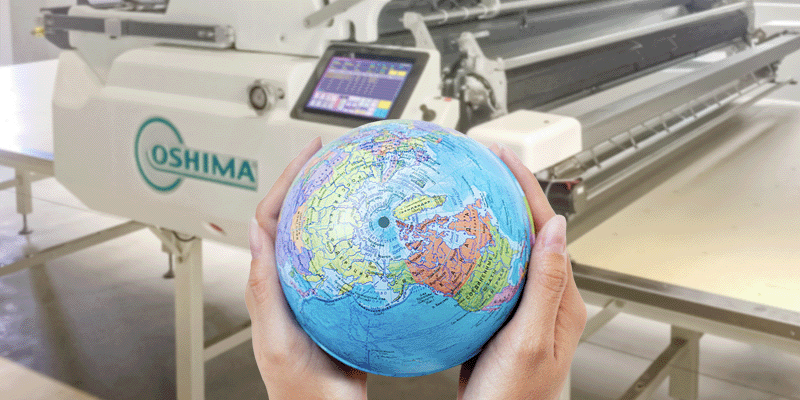
When the garment industry talks about sustainability, the discussion often starts with carbon emissions, ESG, supply chain transparency or sustainable materials. These topics are important, but for garment factories, the most direct and practical starting point is often how fabric is used.
Fabric is one of the most important material costs in garment production. Every inaccurate spreading length, wrong layer count, unrecorded leftover fabric, rework or unclear cutting-room information may create waste. This waste may not always be visible immediately, but it gradually becomes cost, delivery pressure and management gaps.
For this reason, garment sustainability does not always need to start with a large ESG system. Recording fabric usage, spreading length, machine status and leftover fabric in the spreading room is often closer to the shop floor and easier to act on.
Why the Spreading Room Is the First Step in Material Management
Spreading is a key process before cutting, and it consumes large amounts of fabric. After fabric enters the cutting room, it usually goes through relaxing, inspection, spreading and then cutting. This part of the process affects cut-part stability and fabric utilization.
If spreading data is unclear, factories may struggle to answer several practical questions.
How much fabric did this order actually use?
How much fabric is left from each roll?
Does the spreading length match the marker requirement?
Was there over-spreading, under-spreading or rework?
Are different shifts recording work in the same way?
Did the waste come from spreading, cutting or fabric condition before cutting?
In the past, these questions often depended on manual records or reports after production. Data could be delayed, and different workers might record information differently. By the time managers see the report, the issue may have already happened, and it may be difficult to trace back.
The spreading room is therefore not only about laying fabric. It is the first step in factory material management.
What Problems Come from Manual Records?
Many garment factories still rely on handwritten spreading records. This looks simple, but when orders, styles and fabric types increase, several problems can appear.
First, reporting is delayed. After production, workers may still need to organize records and submit them to supervisors or administration staff. Managers cannot see the spreading status in real time.
Second, data may be missed or entered incorrectly. Spreading length, fabric roll usage, layer count, leftover fabric and working time can all be affected by busy production, handover issues or different interpretations.
Third, different shifts may record data in different formats. Some workers record details carefully, while others only write basic numbers. Some record leftover fabric, while others only record completed output. When formats are inconsistent, later analysis becomes difficult.
Fourth, it is hard to trace material use for each order. If a factory wants to know why one order used more fabric than expected or why one roll had less leftover fabric, handwritten records may not be detailed enough.
These issues may not stop production immediately, but they make material management unclear. When factories want to reduce waste, the biggest challenge is often not a lack of intention, but a lack of trackable data.
What Can Digital Spreading Data Improve?
The purpose of digital spreading data is not to add another attractive system. It is to record information that is often missed on the shop floor.
If a smart spreading machine can record machine status, spreading length, output, fabric usage and working time, managers can better understand the actual condition of each order during spreading. This data is not only used to check whether a machine is running. It can also become the basis for material management, scheduling adjustment and later review.
For example, if an order uses more fabric than expected, the factory can review whether the reason was marker planning, spreading length, fabric defects, rework or another issue. If one machine often stops or runs unstably, managers can identify the problem earlier instead of waiting until delivery is affected.
The value of digital data is that factories can move from hearing about problems later to seeing records that can be reviewed.
Carbon Reduction Starts with Waste Reduction
Many factories talk about sustainability and carbon reduction. But on the shop floor, carbon reduction does not happen through slogans. A more practical starting point is reducing material waste, rework, unnecessary waiting and avoidable mistakes.
Fabric includes the cost of raw materials, production, dyeing, finishing, transportation and storage. When fabric is wasted, it is not only the material cost that is lost. The energy and resources invested before the fabric reaches the factory are also not used effectively.
A digital spreading machine does not make a factory carbon neutral by itself. However, it helps factories understand how fabric is being used. When fabric usage, spreading length, leftover fabric and machine status are recorded, factories have a stronger basis for improving scheduling, reducing unnecessary spreading and lowering rework.
Sustainability is not only about external reporting. It is also about wasting less fabric, reworking fewer processes and reducing avoidable waiting time every day.
Small-Batch and Multi-Style Orders Need Clearer Spreading Data
Many garment factories no longer deal only with one large, stable order. They now face smaller batches, more styles and shorter delivery times. This increases the difficulty of spreading-room management.
More styles mean more frequent changes in fabric, colour, layer count and marker requirements. If data still depends on handwritten records, communication gaps can easily appear. Which roll has been spread? Which roll still has leftover fabric? Which order is waiting for cutting? Which machine is currently running? If this information is not recorded clearly, communication costs rise.
Digital spreading data helps factories understand shop-floor progress faster. Managers do not need to wait until the end of the day to understand the situation, and they do not need to rely only on verbal updates. For factories with multiple lines, shifts or overseas production sites, this kind of data is especially useful.
This is not only about management convenience. It helps factories reduce communication gaps and material management pressure in small-batch, multi-style production.
From Spreading Data to Cutting Room Management
Clear spreading data can also support cutting room management. Cutting room efficiency is not only about cutting speed. It also depends on the condition of the fabric before cutting. If spreading length is inaccurate, fabric tension is unstable, layer count is wrong or fabric defects are not identified, even a precise cutting machine may still face cut-part instability, rework or material waste.
Spreading data can therefore become part of cutting room management. It helps factories confirm whether fabric was used according to order requirements and gives cutting and production management more reliable information.
If inspection data, cutting data or final quality control data can be connected later, the factory can gradually build a clearer record of front-end production. This kind of digitalization does not need to happen all at once. It can begin in the spreading room, where fabric use is easiest to observe.
How OSHIMA SPro Supports Spreading Room Digitalization
SPro smart spreading machine is designed not only for automatic spreading, but also to help factories see key data from the spreading process. The machine can provide information on machine status, output, fabric usage and operation records, helping managers better understand spreading work. For factories that still rely on manual records, this type of data can reduce gaps caused by handwritten reports and make shop-floor information easier to organize and trace.
When factories need to handle small-batch orders, multiple shifts or overseas factory management, real-time spreading data becomes more important. Managers can understand shop-floor progress through equipment data instead of relying only on after-the-fact reports.
For garment factories that want to move toward sustainability but are not yet ready to implement a large system, spreading-room data is a practical first step. Once fabric usage, spreading length, leftover fabric and machine status are recorded clearly, the factory has a better chance of seeing where waste is happening.
Bring Sustainability Back to the Factory Floor
Garment factories do not need to begin sustainability with a large slogan or complex system. For the shop floor, managing fabric usage clearly is a practical starting point.
The spreading room uses large amounts of fabric every day and is close to where material waste first appears. If factories begin here by recording data, checking fabric use, managing leftover fabric and tracking machine status, sustainability becomes part of daily operation rather than only external communication.
Digital spreading data is not about showing more numbers. It is about helping managers see problems earlier: which order used abnormal fabric, which process required rework, which roll had more leftover fabric and which machine needs attention.
When factories understand material use more clearly, reducing fabric waste becomes more practical. For garment factories, this may not be the most dramatic form of digital transformation, but it is one of the most realistic places to start.


Article Classification
Recent Articles
- If Every Machine Is Running, Why Does the Factory Still Feel Stuck?
- AI Fabric Inspection: Turning Fabric Defects into Cutting Room Decisions
- Where Does a Garment Factory Lose Energy During Production?
- What Changes When Garment Factory Data Becomes Connected?
- How Garment Factories Can Boost Fabric Utilization and Cut Waste?