
 0
0



- Home
- Blog
- Smart Manufacturing
- How Garment Factories Can Boost Fabric Utilization and Cut Waste?
How Garment Factories Can Boost Fabric Utilization and Cut Waste?
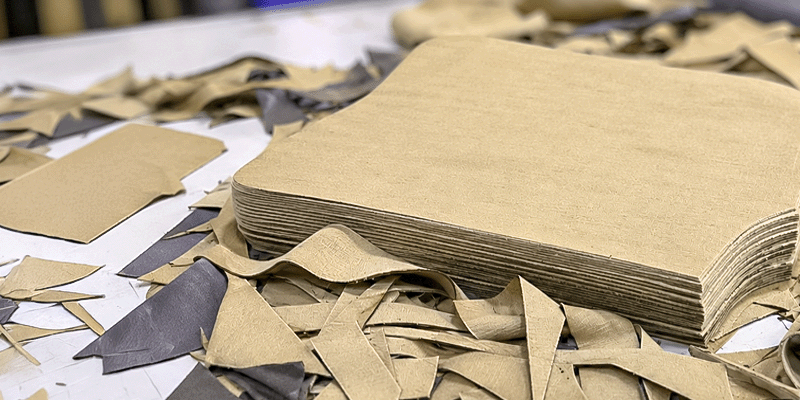
March 30 is the International Day of Zero Waste, a reminder for industries to rethink waste management, resource use, and sustainability. For the fashion and garment industry, this topic is especially important because waste can occur at every stage, from fiber and fabric production to garment manufacturing, packaging, retail, and end-of-life disposal.
Globally, around 92 million tonnes of textile waste are produced every year. This includes not only post-consumer clothing, but also production waste, fabric scraps, defective materials, surplus fabric, and waste caused by overproduction.
For garment factories, fabric waste is not only an environmental issue. It is also a direct cost. Fabric is often one of the largest material costs in garment production. Poor nesting, late defect detection, sewing mistakes, packing errors, and unclear inventory can all create waste, rework, delays, and customer complaints.
Reducing fashion waste should therefore begin inside the factory, not only at the recycling stage.
Where Does Fabric Waste Happen in Garment Manufacturing?
Fabric waste in garment production usually happens across several stages.
The first stage is cutting. Pattern layout, marker efficiency, fabric width, garment design, and size ratio all affect fabric utilization. Even a small percentage of waste can become a major cost in high-volume production.
The second stage is fabric inspection and preparation. If fabric defects are not found before cutting, they may lead to wrong cutting, rework, or quality risks later.
The third stage is sewing. Sewing errors, size problems, stains, damage, or operator mistakes can create defective garments that need rework or disposal.
The fourth stage is packing and shipment. Mislabeling, missing items, metal contamination, weight errors, or excessive packaging can lead to returns, repacking, or product waste.
These problems may seem separate, but they are often connected to process control, machine stability, data records, and operator training.
1. Use CAD Nesting and Automatic Cutting to Improve Fabric Utilization
Cutting is one of the most important areas for reducing fabric waste.
Textile production has already consumed water, energy, dyes, chemicals, and labor before fabric reaches the cutting table. The European Parliament notes that textile production is estimated to be responsible for about 20% of global clean water pollution, mainly from dyeing and finishing.
Garment factories can improve fabric utilization through CAD nesting and automatic cutting.
CAD systems help create digital patterns and markers. Nesting algorithms help arrange pattern pieces more efficiently. Automatic cutting machines cut according to digital files, reducing manual variation and improving cutting consistency.
The value is not only speed. These tools help factories manage material use more precisely. When pattern files, markers, cutting files, and fabric consumption are digitized, factories can better analyze where waste happens and continue improving the cutting process.
2. Use AI Fabric Inspection to Reduce Defect-Related Waste
Fabric defects that are discovered too late can increase cost quickly. Holes, oil stains, color marks, snags, stop marks, streaks, or dyeing defects may lead to rejected panels, rework, or delayed orders if they are found after cutting.
AI fabric inspection helps factories detect defects more consistently before fabric enters the cutting process. It can record defect location, defect type, and image data.
When this data is connected to spreading and cutting, factories can identify which areas should be avoided, which fabric sections need a second check, and which problems should be reported back to the previous process.
The purpose of AI inspection is not only to replace manual inspection. It turns fabric defects into data that can be recorded, traced, and used in later production decisions.
3. Reuse and Repurpose Fabric Scraps
Even with better nesting and cutting, some fabric scraps are unavoidable. These materials should not automatically be treated as waste.
Some scraps can be used for testing, samples, internal training, packing protection, filling materials, or secondary products. Clean single-material fabrics may also be suitable for recycling or reuse.
However, factories should separate fabric scraps carefully by material type. Cotton, polyester, nylon, elastane, and blended fabrics require different handling.
4. Reduce Returns and Repacking Through Better Packing Control
If errors happen before shipment, such as mislabeling, missing items, needle contamination, incorrect weight, or poor packing, the result may be returns, repacking, customer complaints, or product waste.
For garment factories, needle detection is an important final quality control step. It helps detect broken needles or metal contaminants before shipment, reducing recall and complaint risks.
When combined with barcode scanning, sorting, and checkweighing, factories can also improve packing accuracy and reduce wrong shipment or missing item problems.
Packaging materials should also follow the principle of using only what is needed. Excessive packaging increases cost and waste, while insufficient packaging may cause product damage. Standardized packing equipment and processes can help factories protect products without unnecessary material use.
5. Use Digital Dashboards to Manage Materials, Output, and Inventory
Many types of waste do not come from one machine. They come from unclear information.
If material inventory is inaccurate, production status is delayed, work-in-progress is unclear, or finished goods inventory is too high, factories may overproduce or leave materials unused.
Digital dashboards can integrate data from machines and production processes. They help managers see material use, machine status, production progress, output, abnormalities, and inventory changes.
Once data becomes visible, factories can identify problems faster. Which order is using more fabric than expected? Which process creates more rework? Which machine has frequent downtime? Which materials have not been used for a long time?
In the long term, digital dashboards are not only production management tools. They also help reduce waste and cost.
6. Improve Worker Training and Standard Procedures
Even the best equipment cannot reduce waste if people do not use it properly.
Garment factories should build clear standard operating procedures and train workers in cutting, inspection, sewing, needle detection, packing, and machine operation.
Fabric inspectors should understand defect classification and standards. Cutting teams should understand markers and defect data. Packing teams should follow shipment inspection procedures. Maintenance teams should understand machine care and troubleshooting.
Sustainable manufacturing is not only about buying new equipment. It is also about making daily processes more stable, more accurate, and easier to manage.
How OSHIMA Helps Garment Factories Reduce Waste
OSHIMA’s garment machinery and smart manufacturing solutions support waste reduction across fabric preparation, inspection, spreading, cutting, quality control, and packing.
AI fabric inspection helps factories detect defects earlier and turn defect information into traceable data. Smart spreading and automatic cutting solutions help improve fabric preparation efficiency and material utilization. Needle detection, scanning, sorting, and packing equipment help reduce shipment errors and return risks.
When combined with digital dashboards, factories can connect machine data, production progress, and quality records. This gives managers clearer visibility into where waste happens and how processes can be improved.
Conclusion
Fashion waste is not caused only by consumers throwing away clothing. Fabric scraps, defects, rework, excessive packaging, and unclear inventory in garment production also create significant resource waste.
For garment factories, reducing waste is not only an environmental slogan. It is a practical way to lower cost, improve quality, increase efficiency, and respond to brand sustainability requirements.
Through CAD nesting, automatic cutting, AI fabric inspection, fabric reuse, packing control, digital dashboards, and worker training, factories can reduce fabric waste and production waste at the source.
Sustainable garment manufacturing does not need to happen in one step. Factories can begin with the process that creates the most visible waste, then gradually introduce smart equipment and data tools.
When every process creates fewer errors, less rework, and less unnecessary material use, the industry moves closer to truly sustainable production.



Article Classification
Recent Articles
- If Every Machine Is Running, Why Does the Factory Still Feel Stuck?
- AI Fabric Inspection: Turning Fabric Defects into Cutting Room Decisions
- Where Does a Garment Factory Lose Energy During Production?
- What Changes When Garment Factory Data Becomes Connected?
- How Garment Factories Can Boost Fabric Utilization and Cut Waste?