
 0
0



- Home
- Blog
- Equipment Knowledge
- How Factories Choose Between Sewing Bonding and Ultrasonic Processing?
How Factories Choose Between Sewing Bonding and Ultrasonic Processing?
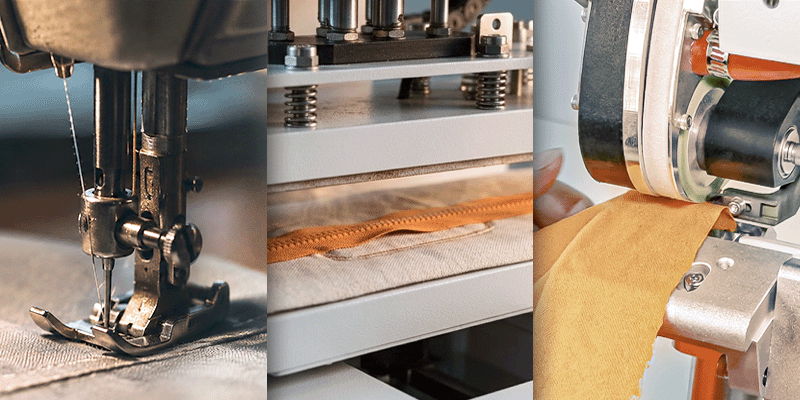
The design of underwear, sportswear and functional apparel increasingly focuses on a smooth appearance, wearing comfort and specific performance needs. For garment factories, this has brought more attention to seamless bonding, heat bonding and ultrasonic processing. But does seamless processing mean traditional sewing will soon be replaced? Not really.
Sewing, heat bonding and ultrasonic processing each fit different materials, product structures and use cases. The real question for factories is not whether a garment can be made with no seams at all. The more practical question is which areas need a flatter appearance, less friction, waterproofing or sealed edges, and which areas still need sewing for structural strength and durability. Seamless bonding is not the enemy of sewing. It is another option for product development and process planning.
Seamless Garments and Seamless Bonding Are Not the Same Thing
Many technologies are described as seamless in the market, but for factories, they are very different. Seamless knitted garments are usually made through special knitting technology, reducing or avoiding traditional side seams while the garment body is formed. Some underwear, sports base layers and close-fitting garments use circular knitting or related methods to create a body structure with fewer seams.
The key process here is knitting into shape, not bonding cut fabric pieces together later. Seamless bonding or heat bonding is a different concept. It joins two or more materials using adhesive film, tape, heat and pressure, reducing some traditional stitching. This is commonly seen in underwear, sportswear, outdoor functional apparel and products that require flatter seam appearance.
Ultrasonic processing uses high-frequency vibration and pressure to bond, cut or seal suitable thermoplastic materials or composite materials. Whether it works depends closely on fabric composition, thickness, surface structure and product function. Although seamless knitting, heat bonding and ultrasonic processing may all be grouped under seamless technology, their production methods, material conditions and equipment needs are not the same.
Which Products Often Use Seamless Bonding?
Seamless bonding is gaining attention because it can give certain products a flatter appearance and reduce local seam thickness or friction.
Underwear and close-fitting garments often aim to reduce visible stitching and create a cleaner appearance. They also need the garment to feel smoother against the body. Sportswear, yoga wear and training apparel may use local bonding in high-movement areas to reduce discomfort caused by seam bulk. Outdoor functional apparel focuses more on performance. Some jackets, waterproof garments or windproof products use seam taping, sealing or bonding to support seam protection. Medical products, protective items and some nonwoven materials may use ultrasonic processing for bonding, cutting or edge sealing.
However, not every part of the same product category is suitable for seamless processing. For example, a sports jacket may use bonding or seam tape in certain areas, while zippers, pockets, cuffs, hems or high-stress points still need sewing or reinforcement. Factories therefore should not choose equipment only based on product name. They need to look at fabric, product structure, stress points, functional requirements and durability test results.
Why Garment Manufacturers Are Interested in Seamless Bonding
The value of seamless bonding is not that it replaces all sewing. It gives certain products different design and processing possibilities.
First, it can create a flatter seam appearance. Traditional sewing creates visible stitches and seam thickness. For close-fitting garments or products that require a clean look, this may not always be ideal. Heat bonding can make some joining areas look simpler and smoother.
Second, it may reduce friction in certain close-fitting areas. For underwear, sportswear or yoga wear, the wearer repeatedly moves and stretches. If seams are thick or placed poorly, comfort may be affected. Bonding can be one option for factories to test.
Third, it can support certain functional structures. Outdoor or functional apparel may need windproofing, waterproofing, edge sealing or flatter seam performance. Seam tape, bonding and ultrasonic processing can be tested according to material and product needs.
Fourth, it gives brands and manufacturers more room for product development. Some garments need not only strength, but also a specific appearance, hand feel and wearing experience. Seamless bonding provides another option beyond sewing, but it still needs sample testing, production evaluation and quality verification.
Sewing Still Has Its Place
Seamless bonding has clear value, but it is unlikely to fully replace sewing.
First, not all fabrics are suitable for bonding or ultrasonic processing. Fiber composition, surface coating, elasticity, thickness and heat resistance all affect the bonding result. Some fabrics may not tolerate heat pressing, and some materials may not bond reliably with ultrasonic processing.
Second, high-stress areas may still need sewing. Shoulder seams, crotch areas, zipper areas, pocket openings, straps and other areas under tension usually need clear structural strength. Even when a product uses bonding, some parts may still need sewing or reinforcement.
Third, washing and long-term use must be tested. Bonding quality should not be judged only by how the sample looks right after production. Factories need to check how the bonded area performs after repeated stretching, washing, friction, temperature change and actual wear.
Fourth, complex garment structures still often depend on sewing. Zippers, buttons, pockets, layered structures, decorative stitching and special hand-feel effects may all require sewing.
Fifth, appearance does not always mean hiding every seam. Some garment designs intentionally use visible stitching, decorative seams or structural sewing as part of the style. For these products, sewing itself is a design element.
This is why garment factories should treat seamless bonding as a complementary process, not a full replacement for sewing.
Is Seamless Bonding Always More Sustainable?
Whether seamless bonding is more sustainable cannot be judged only by whether it uses thread. In some products, seamless bonding or ultrasonic processing may reduce certain thread usage and traditional seam construction. It may also combine cutting, edge sealing and bonding in one process. If the final product becomes more comfortable, more durable and has less rework, it may support better resource use. But the overall sustainability still depends on the full conditions.
What fabric, adhesive film, tape or composite material is used? Can the bonded product be repaired, disassembled or recycled? What is the energy use and defect rate during processing? Does the final garment pass washing, stretching and wear tests? Can the factory control quality consistently and avoid rework or rejection? If a garment delaminates quickly because bonding is unstable, or if the material combination makes recycling harder, it cannot simply be called more sustainable.
A more accurate way to say it is this: seamless bonding can support flatter, simpler or more functional joining designs under the right product and material conditions. Whether it is more sustainable still depends on product life, material choice and production results.
Factories Should Test Before Moving into Production
Seamless bonding equipment should not be introduced only because the market is talking about it. Before mass production, factories need to test the product and material carefully.
First, define the bonding purpose. Is the product trying to reduce seam thickness in close-fitting areas? Does it need a cleaner appearance? Does it require edge sealing, waterproofing or seam tape? Will bonding be used only in local areas? Do high-stress points still need sewing reinforcement? These questions should be clear from the beginning.
Next, confirm material compatibility. Fiber composition, thickness, elasticity, surface treatment, coating and heat resistance can all affect the result. For ultrasonic processing, factories also need to confirm whether the material has suitable bonding characteristics.
Then come process parameters. Heat bonding needs control of temperature, pressure, time, speed, tape or adhesive film type. Ultrasonic processing requires frequency, pressure, speed and output settings. Different sizes, curved areas or layered structures may also need different handling.
Finally, after sample production, appearance alone is not enough. Bonding strength, performance after stretching, delamination or deformation after repeated washing, friction resistance, waterproof or windproof results, hand feel and comfort should all be tested according to product needs.
Only when material, equipment, parameters and quality verification are confirmed should seamless bonding move from sample development into stable production.
Sewing, Bonding and Ultrasonic Processing Often Work Together
Many products do not use only one processing method.A functional jacket may use seam tape in certain areas, while pockets and zippers still require sewing. A sports base layer may use bonding in some close-fitting areas, while other structures still need stitches. A protective product may use ultrasonic edge sealing, but may also combine other processes according to material and design.
For factories, the goal is not to pursue a fully seamless garment. The goal is to place each technology where it works best. Sewing is suitable for a wide range of fabrics, complex structures and high-stress areas. Heat bonding can be used in areas that need a flatter appearance, local bonding or certain functional structures. Ultrasonic processing is suitable for specific thermoplastic materials, composite materials, nonwovens or applications that combine cutting and edge sealing.
Make Seamless Processing One Option in Product Development
Seamless bonding, heat bonding and ultrasonic processing give garment manufacturers more choices in product design and production methods. For underwear, sportswear, functional apparel, protective products and some nonwoven materials, these technologies can support a flatter joining appearance, local performance needs and different development directions.
But seamless bonding does not make sewing less valuable. Traditional sewing is still suitable for many fabrics, high-stress structures, complex garment details and specific design effects. For many garments, the most effective approach is not choosing one over the other, but placing sewing, bonding and ultrasonic processing in the right parts of the product.
OSHIMA provides seamless bonding, heat pressing and ultrasonic-related equipment. Based on fabric conditions, product design, joining areas and mass production needs, OSHIMA can help factories evaluate suitable processing methods.
For garment factories, introducing seamless processing should not be only about following a trend. It should return to the product itself: what appearance, function, strength and wearing experience does this garment need? Once these conditions are clear, equipment selection becomes much more meaningful.



Article Classification
Recent Articles
- The 30-90-180 Day Rule for Industrial Boiler Maintenance
- How Garment Machinery Supports Safety, Compliance and Environmental Management?
- What Happens Before Fabric Goes to the Cutting Table?
- Industrial Iron & Vacuum Table Care: How to Extend Their Lifespan
- Cutting Floor ROI: How the M8s and TAC Save $100K Annually