
 0
0



- Home
- Blog
- Equipment Knowledge
- The 30-90-180 Day Rule for Industrial Boiler Maintenance
The 30-90-180 Day Rule for Industrial Boiler Maintenance
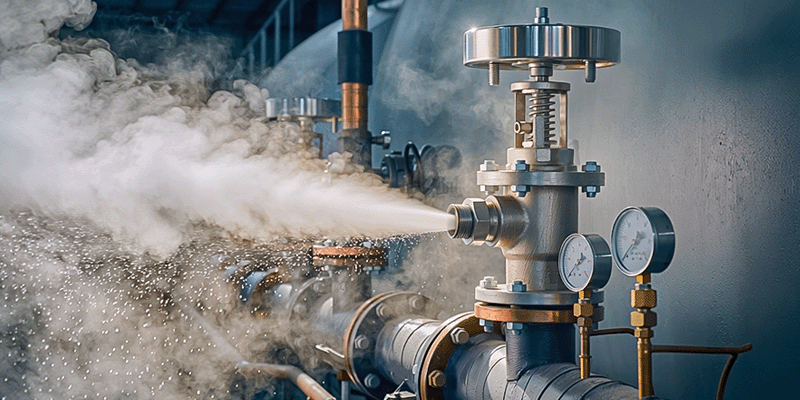
Industrial boilers are often treated as background equipment until something goes wrong. Once a boiler becomes unstable, however, the impact can spread quickly across production.
In garment manufacturing, textile finishing, food processing, hotels, schools, medical facilities and pharmaceutical production, stable steam or hot water supply affects workflow, safety and product quality. For garment and textile factories, a boiler is not only a steam source. Steam pressure, water quality and steam dryness can influence pressing, fusing, shrinking, setting and other downstream thermal processes.
If boiler water quality is poor, pipes develop scale, pressure becomes unstable or safety devices fail, the factory may face more than higher fuel consumption. It may also face unstable production, equipment damage and safety risk.
That is why boiler maintenance should not begin only after failure occurs. A more practical approach is to combine daily checks with a 30-90-180 day maintenance schedule. This gives factories a structured way to reduce unplanned downtime, extend equipment life and maintain more stable steam quality.
Why Industrial Boiler Maintenance Matters
Boiler operation involves high temperature, high pressure, water chemistry, combustion and safety control. When any of these areas is neglected, the result may include abnormal pressure, low water level, lower combustion efficiency, scale formation, unstable steam quality or higher safety risk.
For factories, boiler failure rarely affects only one machine. If the boiler cannot supply stable steam, downstream processes such as pressing, fusing, shrinking, dyeing, sterilization or heating may stop. This can disrupt production schedules, delivery plans, product quality and labor allocation.
Efficiency loss is also a direct cost issue. A boiler may still run, but that does not mean it is running efficiently. Boiler energy-saving references commonly estimate that 1mm of waterside scale can increase fuel consumption by about 5% to 8%. In other words, a factory may be paying more for fuel every day without seeing an obvious breakdown.
The purpose of maintenance is to make these risks visible earlier. Instead of waiting for unstable pressure, poor steam supply or unexpected shutdowns, factories can use daily records and scheduled maintenance to identify abnormal trends before they become expensive problems.
Four Daily Safety Indicators to Monitor
1. Pressure and safety valve condition
Operators should check the boiler pressure gauge every day and confirm that pressure remains within the normal operating range. They should also observe whether pressure changes are stable.
If pressure rises abnormally, or if pressure exceeds the set range while the safety valve does not operate correctly, the boiler should be shut down according to standard procedures and inspected before restarting.
The safety valve is one of the most important boiler safety devices. It should not be adjusted, blocked or ignored without proper inspection. If it fails, the boiler loses a key layer of pressure protection.
2. Water level and low-water risk
Water level is one of the most critical indicators for boiler safety. If the water level becomes too low, the heating surface may not be cooled properly. This can cause overheating, tube damage or more serious safety incidents.
If the water level is no longer visible in the gauge, combustion should be stopped immediately and the boiler should be handled according to safety procedures. Cold water should not be added immediately to an overheated boiler, because sudden contact between cold water and high-temperature metal may create thermal shock and increase risk.
The boiler should be cooled and inspected professionally before the factory decides whether it can return to operation.
3. Flue gas temperature and heat transfer efficiency
Flue gas temperature is an important reference for heat transfer efficiency. If it gradually becomes higher than the normal baseline, it may indicate soot, ash, scale or reduced heat exchange performance.
When heat is not transferred effectively to water or steam, more heat leaves through the stack, which increases fuel use. This is why boiler cleaning, water treatment and combustion adjustment should not be treated as minor tasks.
Factories should establish a flue gas temperature baseline and record daily changes. If the temperature rises noticeably, the combustion system, heat transfer surfaces, flue path and waterside scale condition should be checked.
4. Water quality and soft water system
Water treatment is a core part of boiler maintenance. If feedwater hardness is too high, scale can form inside the boiler. Scale reduces heat transfer efficiency, increases fuel consumption and may cause local overheating or tube damage.
For garment factories using steam, poor water quality may also cause wet steam. This can affect pressing, shrinking, fusing and other downstream steam equipment. Over time, unstable steam quality can influence both product quality and equipment life.
Factories should check water hardness daily, confirm that the soft water system works properly and regenerate or replace water treatment resin when needed.
Mechanical Drive and Auxiliary Systems Also Need Attention
Boiler maintenance should include more than the boiler body itself. Fans, pumps, valves, pipelines and auxiliary systems all affect whether the boiler can operate safely and consistently.
Fan and pump vibration should be checked regularly. Abnormal vibration may indicate ash buildup, impeller wear, bearing damage, misalignment or loose parts. If ignored, these issues can lead to bearing failure, pump damage or unexpected shutdown.
Combustion condition should also be reviewed. Unstable combustion, black smoke, rising fuel consumption or abnormal flame appearance may indicate that the burner or combustion system needs adjustment or cleaning. Some boiler types should not operate under positive pressure combustion, as this may increase the risk of furnace damage or burns to nearby personnel.
Steam, feedwater and blowdown piping should be checked for leakage. Small steam leaks may look minor, but they can accumulate into significant energy loss and may affect nearby equipment, insulation and worker movement.
The 30-90-180 Day Boiler Maintenance Rule
Every 30 days: lubrication, sealing and early abnormality checks
Monthly maintenance should focus on confirming stable operation and detecting early abnormalities.
Factories should check lubrication for fans, pumps, motors and drive components. Bearing temperature, vibration, noise and operating condition should be reviewed. If the equipment is still in its running-in period, oil quality or lubricant replacement should follow the manufacturer’s recommendation.
Valves, flanges, manholes, handholes and pipeline connections should also be inspected for leakage. Even small leaks should be recorded and followed up. A minor leak today can become a shutdown issue later if it is ignored.
Every 90 days: cleaning and heat transfer efficiency
Quarterly maintenance should focus on maintaining heat transfer efficiency.
Depending on boiler type and actual operating conditions, factories should inspect the drum, water wall tubes, smoke tubes, furnace, flue path and dust collection system for soot, ash, scale or blockage. Cleaning and descaling should be arranged when needed.
Pressure gauges, temperature gauges, water level gauges and related instruments should also be tested. If instruments are inaccurate, operators may make the wrong decision. With high-temperature and high-pressure equipment, that can become a safety issue, not only an efficiency issue.
Every 180 days: safety devices, water treatment and system review
Half-year maintenance should focus on safety devices and the water treatment system.
Safety valves, pressure gauges and water level gauges are key boiler safety components. Their sensitivity, accuracy and operating condition should be checked regularly. Calibration or replacement should be arranged if needed.
The water treatment system should also be reviewed, including resin condition, regeneration performance, feedwater hardness and blowdown management. If water quality becomes unstable, scale, corrosion and lower steam quality may follow. These problems may not stop the boiler immediately, but they can gradually increase fuel cost and maintenance risk.
Why Poor Maintenance Costs More
Regular maintenance is not an administrative expense. It is a production cost that protects uptime, energy efficiency and equipment safety.
Preventive maintenance helps reduce unexpected failure risk. Many boiler problems do not appear suddenly. They develop from small issues that were ignored for too long. Regular inspections and records give factories a better chance to identify these issues before they become failures.
Cleaning and descaling also improve combustion and heat transfer efficiency. As noted earlier, 1mm of scale may increase fuel consumption by about 5% to 8%. If scale is left untreated, energy waste continues every day.
Safety device maintenance reduces operating risk. If the safety valve, pressure gauge, water level gauge or low-water cutoff fails, the boiler loses important protection. Stable steam quality also protects downstream equipment. In garment factories, unstable steam quality can affect pressing, fusing, shrinking and setting, which may influence product appearance and production efficiency.
Skipping maintenance may look like saving money at first. In practice, the cost often returns as fuel waste, downtime, equipment damage or safety risk.
5 Steps to Build a Strong Boiler Maintenance System
1. Build a digital maintenance calendar
Factories should not rely only on paper records or verbal reminders. A digital checklist for daily, monthly, quarterly and half-year maintenance can help prevent missed inspections.
This also allows management to confirm whether maintenance is completed on schedule. After records accumulate, the factory can better understand which issues repeat and which equipment needs closer attention.
2. Create a boiler asset history
Every maintenance action, abnormal event, part replacement, pressure reading, water hardness result, flue gas temperature, fuel consumption record and repair note should be documented.
These records are useful for more than audits. They help the factory analyze equipment condition, such as whether flue gas temperature is gradually rising, whether feedwater frequency is unusual or whether a part is being replaced too often. If the factory later introduces IoT monitoring or predictive maintenance, this history becomes an important foundation.
3. Train operators to recognize early warning signs
Operators should know more than how to start and stop the boiler. They should also recognize early signs of trouble, such as pressure fluctuation, unusual feedwater frequency, rising flue gas temperature, pump vibration, wet steam or abnormal combustion.
In garment factories, operators should understand how steam quality affects downstream pressing and fusing equipment. If steam dryness or pressure changes, early reporting can prevent the problem from moving into production quality.
4. Use professional tools and external inspection
Routine checks can be handled internally, but some inspections require professional tools and qualified personnel. Examples include ultrasonic thickness testing, infrared thermal imaging, combustion analysis, weld inspection, safety valve calibration and pressure vessel inspection.
For high-risk items or legally required inspections, factories should follow local regulations and use qualified third-party inspection bodies when needed. This is not an unnecessary procedure. It helps prevent major risks from being missed during routine checks.
5. Treat maintenance budget as production cost
Boiler maintenance should not be treated as optional spending. It is part of keeping production stable.
Factories should prepare an annual maintenance budget and emergency repair fund. When early problems are found, they can be repaired before they become shutdown events. For production lines that cannot stop, this budget is not an extra burden. It is part of operational risk control.
Boiler Maintenance Supports Stable Production and Energy Efficiency
In garment, textile, food, hotel, school, medical and pharmaceutical applications, industrial boilers are the heart of the thermal system. Stable steam and hot water supply affect production efficiency, product quality, energy cost and safety management.
By monitoring pressure, water level, flue gas temperature and water quality every day, and by following a 30-90-180 day maintenance plan, factories can detect abnormalities earlier, reduce downtime risk and maintain better combustion and heat transfer efficiency.
For garment and textile factories, boiler maintenance also protects downstream pressing, fusing, shrinking and setting equipment. Managing the boiler well means protecting the entire thermal process.
Professional boiler maintenance is not only about extending equipment life. It is also a practical starting point for reducing energy cost, maintaining safety compliance and supporting more stable production.

Article Classification
Recent Articles
- The 30-90-180 Day Rule for Industrial Boiler Maintenance
- How Garment Machinery Supports Safety, Compliance and Environmental Management?
- What Happens Before Fabric Goes to the Cutting Table?
- Industrial Iron & Vacuum Table Care: How to Extend Their Lifespan
- Cutting Floor ROI: How the M8s and TAC Save $100K Annually