
 0
0



- Home
- Blog
- Equipment Knowledge
- How Integrated Garment Machinery Improves Factory Efficiency
How Integrated Garment Machinery Improves Factory Efficiency
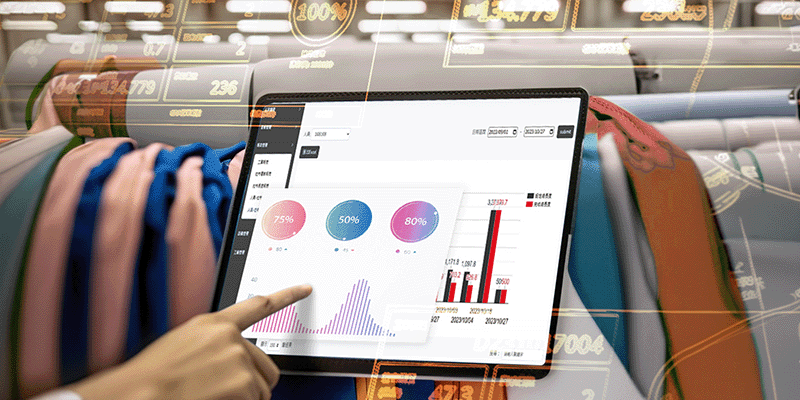
Garment manufacturing is a detailed process. From fabric arrival, inspection, relaxing, spreading and cutting to sewing, pressing, needle detection and packing, every stage affects the next one. If one process is unstable, if production data is not connected, or if service support is slow, the result may be delays, rework, inconsistent quality or higher management cost.
When factories purchase equipment, they often begin by comparing the price of individual machines. But after the machines enter daily production, factories often realise that the lowest purchase price does not always mean the lowest cost. Ease of operation, compatibility with the production flow, service response, and whether different machines can support better production management are often more important in the long run.
This is why garment factories should not evaluate each machine in isolation. They should also consider whether the overall production process can be better integrated.
Fabric Selection and Preparation Affect the Entire Process
Many garment production problems do not begin at sewing. They begin with the fabric. Fabric hand feel, stretch, shrinkage, thickness, surface condition and defect level all affect cutting and sewing. If a factory chooses unsuitable fabric only to reduce material cost, it may later spend more time handling cut-part distortion, sewing difficulty, appearance defects or customer complaints.
For this reason, factories need to do more than select fabric. They also need to manage fabric before cutting. Fabric inspection machines help identify surface defects. Relaxing and preshrinking equipment help manage tension and dimensional stability. AI fabric inspection equipment can further record defect positions and generate inspection reports. When fabric condition is understood at the beginning, spreading, cutting and sewing can run more steadily.
Finding Problems Earlier Is Better Than Handling Them After Shipment
Garment manufacturing contains many production stages. If a small problem is discovered too late, its cost becomes much larger. If fabric defects are found only after cutting, the factory may need to replace panels or recut material. If cut parts are dimensionally unstable, sewing operators may need extra adjustment. If appearance problems are found only at packing or shipment, the factory may need rework and the delivery schedule may be affected.
Safety issues can be more serious. If broken needles or metal fragments are not detected before shipment, the result may be customer complaints, recalls or supplier audit issues. Quality control should therefore not be placed only at the final stage. A better approach is to include inspection across different parts of the process:
-
inspect fabric before cutting;
-
control cut-part dimensions and material use during cutting;
-
check appearance and size during sewing;
-
use needle detection, weight checking or barcode inspection before shipment.
The value of equipment is not only speed. It is also the ability to identify problems earlier.
Needle Detection Is a Safety Check That Should Not Be Ignored
During sewing, embroidery or finishing, broken needles or metal fragments may remain in finished products. For babywear, underwear, sleepwear and close-fitting garments, this risk is especially important. Needle detection machines are used before shipment to check finished garments or packed products for magnetic metal contamination. If an abnormal item is detected, the product can be stopped or rejected before it enters the shipment flow. For brands and buyers, needle detection records are part of supplier quality management. For factories, needle detection is not an unnecessary extra step. It is a final safety check before goods leave the factory. When combined with weight checking, barcode reading and sorting equipment, final inspection can become more complete, reducing the risk of wrong shipment, missing items or abnormal products being mixed into accepted goods.
Integrated Equipment Reduces Procurement and Management Complexity
Many garment factories use machines from different suppliers. The fabric inspection machine may come from one supplier, the spreading machine from another, the cutting machine from a third, and needle detection equipment from yet another. This may look flexible at the purchasing stage, but it can create several management issues later.
First, interfaces and training methods differ. Every machine requires separate operator training, and production managers need to handle different operating habits.
Second, service windows are scattered. When equipment problems occur, the factory must contact different suppliers. If one process stops, another supplier may not understand how the entire production line is affected.
Third, production data is difficult to integrate. If each machine only records its own information, managers must spend more time collecting and comparing data manually.
This is where an integrated equipment supplier becomes valuable. When one supplier covers multiple production processes, the factory can reduce the communication cost of planning, training, maintenance and later upgrading.
IoT and Production Data Make Management Less Dependent on Manual Reporting
Garment factory management has traditionally depended heavily on shop-floor reporting. How much fabric was spread, whether a machine stopped, how much fabric was used and which process slowed down often become clear only after someone collects the information.
When equipment includes IoT or data output functions, managers can review machine status, output and fabric usage more quickly. This does not mean the factory no longer needs people on site. It means management decisions can be supported by clearer production data. For example, a spreading machine that provides real-time status and production information can help the factory understand whether the machine is running normally, whether output is following the schedule and whether fabric usage matches the plan. If inspection, cutting and final inspection data are connected later, the factory can gain a more complete view of the front-end production process.
The purpose of data integration is not to make management more complicated. It is to help factories understand problems before they become larger.
Why Supplier Integration Matters More Than a Single Machine
Not every factory needs to purchase a complete production line at once, and not every machine must come from the same company. But when a factory expands production, introduces automation or wants clearer quality and production management, the supplier’s integration capability becomes more important.
A good equipment supplier does not only sell one machine. It should understand where the factory is actually stuck. For example:
-
fabric defects are found too late;
-
spreading and cutting are unstable;
-
cut-part quality affects sewing;
-
final inspection lacks records;
-
service windows are too scattered;
-
managers lack real-time production information.
When a supplier can look at the whole process, the equipment proposal is more likely to match the factory floor instead of simply promoting one machine.
How OSHIMA Supports Equipment Integration for Garment Factories
OSHIMA provides garment and textile machinery across multiple processes, including fabric preparation, inspection, spreading, cutting, fusing, heat transfer, pressing, needle detection, weight checking and packing-related equipment.
For garment factories, this cross-process equipment range makes it possible to discuss machinery planning from the perspective of the production flow rather than individual machines only. A factory may begin by improving fabric preparation and the cutting room, then gradually extend the project to needle detection, weight checking or packing equipment before shipment.
For smart equipment, OSHIMA SPro fabric spreading machines include an IoT dashboard that provides machine status, output and fabric usage information. When combined over time with AI fabric inspection, cutting and final inspection processes, factories can gradually build a clearer production data management flow.
The value of integrated machinery is not that a factory must purchase many machines at once. It is that equipment, data and after-sales support can be arranged step by step according to the factory’s actual bottlenecks.
Conclusion
Improving garment factory efficiency does not always mean buying the fastest, most expensive or most automated machine. The more important question is how the whole production flow works. Where do errors happen most often? Where does the factory wait? Which process requires too much manual rechecking? Which machine problems cause the longest delays?
An integrated equipment supplier can help factories review equipment planning from the process perspective and reduce the scattered cost of procurement, training, maintenance and after-sales communication. When machines fit the factory workflow more closely and production data can gradually be recorded and managed, efficiency improves in a more practical way.
For garment factories expanding production, upgrading automation or improving cutting room and final quality control processes, the next step does not have to be purchasing every machine at once. It can begin by identifying the process that most affects efficiency and deciding which part should be integrated first.


Article Classification
Recent Articles
- The 30-90-180 Day Rule for Industrial Boiler Maintenance
- How Garment Machinery Supports Safety, Compliance and Environmental Management?
- What Happens Before Fabric Goes to the Cutting Table?
- Industrial Iron & Vacuum Table Care: How to Extend Their Lifespan
- Cutting Floor ROI: How the M8s and TAC Save $100K Annually