
 0
0



- Home
- Blog
- Equipment Knowledge
- Why Food Factories Need Checkweighing and Automatic Labeling?
Why Food Factories Need Checkweighing and Automatic Labeling?
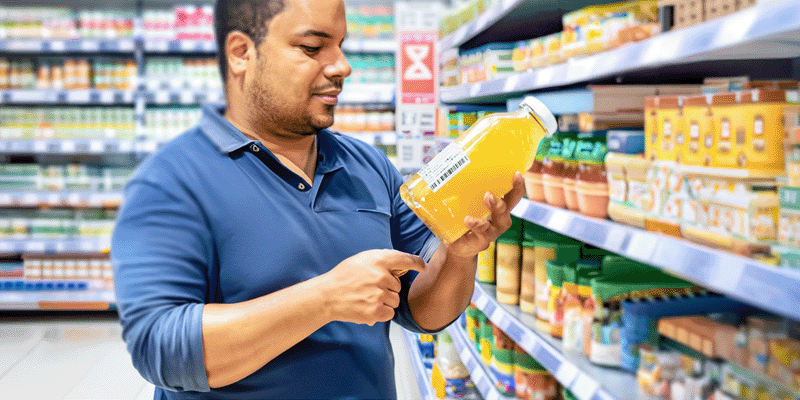
A food packaging line may look simple from the outside. Products are packed, sealed, labeled and sent for shipment. But for food factories, whether each package has the correct weight and whether the label matches the product are both part of quality control. Consumers may not notice what equipment a factory uses. But if a package is clearly underweight, the label is unclear or the label information does not match the product, customers may quickly lose confidence in the brand.
For factories, weight and labeling problems are not only customer complaint risks. Underweight products may cause labeling and compliance issues. Overweight products mean the factory is giving away extra material. Wrong labels may affect batch numbers, expiry dates, product information and traceability. If these problems enter the market or retail channel, the cost of handling them is usually much higher than catching them on the production line. This is why checkweighers and automatic labeling equipment have become important quality control tools in many food packaging lines.
Weight Control Is Not a Small Detail
Food factories handle a large number of packaged products every day. From a consumer’s point of view, every package should match the labeled weight. From a factory’s point of view, every product should also stay within a reasonable weight range. If a product is underweight, it may lead to customer complaints and affect labeling or retail requirements. If a product is overweight, customers may not complain, but the factory loses material over time.
For example, if a production line produces a large number of packages every day and each package is slightly overfilled, the difference may look small at first. But across a full order or a full year of production, it becomes a clear material cost. On the other hand, if underweight products reach the market, the factory may face returns, complaints or additional inspection pressure. The purpose of checkweighing is to help factories confirm that each product falls within the set weight range before shipment.
How Checkweighers Support Food Packaging Lines
A checkweigher automatically checks product weight on the production line. As the product passes through the conveyor, the equipment measures the weight in real time and determines whether it falls within the set range. If the product is too light or too heavy, the system can issue an alarm and work with a reject mechanism to remove the nonconforming product from the line. For food factories, checkweighers support several important tasks.
First, they reduce underweight risk. If a product weighs less than the labeled amount, consumer trust and channel requirements may be affected.
Second, they reduce overfilling. Controlling product weight is not only about compliance. It also prevents long-term material waste.
Third, they help maintain packaging consistency. Stable weight control makes products more consistent in appearance, feel and content.
Fourth, they support production adjustment. If weight abnormalities happen frequently, the factory can review upstream filling, portioning or packing processes.
A checkweigher does more than remove nonconforming products at the end. It helps factories see weight variation in the packaging line and manage quality with clearer information.
Correct Labels Support Sales, Traceability and Management
A food label is not just a sticker on the package. It may include product name, weight, batch number, expiry date, barcode, ingredients, allergen information or other required details. If the label is wrong, printed incorrectly, placed poorly or does not match the product batch, it may affect shipment, retail display and later traceability. For food factories that handle many products and batches, manual labeling is more likely to cause mistakes during changeovers or repetitive work.
The value of automatic labeling equipment is that it makes the labeling process more stable. It can apply labels according to production needs and reduce errors caused by repeated manual labeling. When combined with scanning, checkweighing or data systems, automatic labeling equipment can also support more complete packaging information management.
Checkweighing and Labeling Work Better Together
In food packaging lines, weight checking and labeling are often connected. Some products need labels generated according to actual weight, batch number, date or barcode information. If these steps are handled separately, the factory needs more manual confirmation, and the chance of error increases.
When checkweighers and labeling equipment are integrated, the product can be weighed, read, printed and labeled in one continuous process. This is especially useful for products with different weights, batch numbers or specifications.
An integrated process can reduce manual input and labeling errors, improve packaging line efficiency, keep product weight, labels and batch information consistent, support shipment and traceability management, and lower the risk of returns or rework caused by labeling or weight problems. For food factories, this type of equipment is not only about saving labor. It helps make packaging data clearer and the process more stable.
Which Food Factories Should Consider These Machines?
Not every food line needs the same equipment configuration. Factories should evaluate their product type, packaging method, line speed and management needs. Factories that produce bagged snacks, frozen foods, bakery products, boxed foods, ready-to-eat meals, meat products, seafood, beverages or prepared foods usually need to consider weight consistency and package labeling.
If product weight is affected by filling, portioning, cutting or packaging, a checkweigher can be valuable. If the factory handles many SKUs, batches, expiry date changes or traceability labels, automatic labeling equipment can reduce manual labeling mistakes. Before introducing equipment, factories can review several questions:
Do products often show weight variation?
Does overfilling create material cost pressure?
Could underweight products cause complaints or channel issues?
Do labels need frequent changes in batch number, date or product information?
Does manual labeling create wrong labels, missing labels or poor placement?
Does the factory need to save packaging and shipment data?
The clearer these questions are, the easier it is to choose the right equipment configuration.
Automation Is About Reducing Error, Not Only Increasing Speed
Food factories usually introduce checkweighing and automatic labeling not only to increase speed. A more important goal is reducing errors in repetitive work. Manual weighing and labeling may be manageable in small-volume production. But when volume increases, product variety grows and lead times shorten, workers must repeatedly confirm weight, labels, batch numbers and dates for long periods. The chance of error rises.
Automation makes repetitive processes more stable and allows operators to focus on abnormal handling, equipment confirmation and quality management. For food factories, a stable packaging process is not only an efficiency issue. It is part of brand trust and quality management.
From Weight and Labels to Traceability
Traceability is increasingly important in the food industry. When a product issue occurs, factories need to quickly confirm product batch, shipment time, inspection records and label information. If checkweighing, labeling and barcode data can be recorded on the production line, later review and management become easier. This helps internal quality improvement, customer audits, retail communication and abnormal handling. Complete traceability cannot be built by one machine alone, but weight and label data can be an important part of the system. When product information is clearer, factories can identify problem sources faster and manage shipment quality more efficiently.
Make the Food Packaging Line More Stable
Quality control in food factories does not happen only during raw material handling or sterilization. It also happens before every finished product leaves the packaging line. Correct weight, clear labels and matching batch information may look like small details, but they affect consumer trust, retail cooperation and brand image. Checkweighers help factories control product weight and reduce underweight, overfilling and weight abnormality risks. Automatic labeling equipment helps make label application more stable and reduces manual labeling and data errors. When both are integrated in one packaging flow, weighing, labeling, barcode information and traceability management can work more smoothly.
For food factories, automation is not about making the process look more complicated. It is about making every product clearer, more stable and more suitable for quality management before shipment. OSHIMA provides food checkweighing, metal detection, labeling and related packaging line equipment. Based on product type, line speed, inspection needs and traceability requirements, OSHIMA can help food factories evaluate a suitable packaging line configuration.


Article Classification
Recent Articles
- The 30-90-180 Day Rule for Industrial Boiler Maintenance
- How Garment Machinery Supports Safety, Compliance and Environmental Management?
- What Happens Before Fabric Goes to the Cutting Table?
- Industrial Iron & Vacuum Table Care: How to Extend Their Lifespan
- Cutting Floor ROI: How the M8s and TAC Save $100K Annually