
 0
0



- Home
- Blog
- Equipment Knowledge
- How to Choose Between Electric Gas Oil and Biomass Steam Boilers?
How to Choose Between Electric Gas Oil and Biomass Steam Boilers?
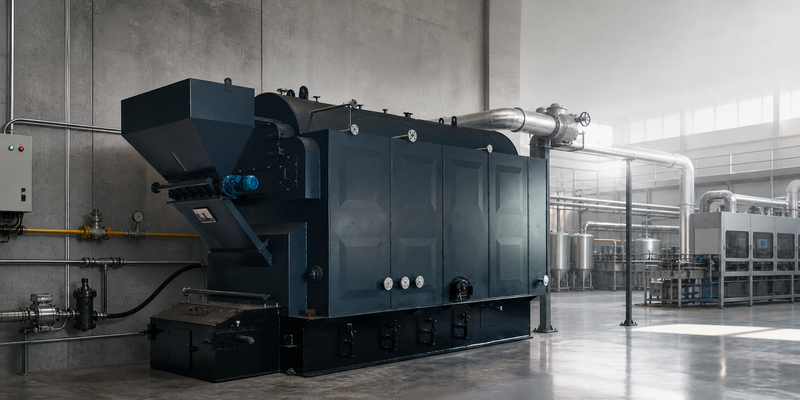
Steam demand may look straightforward when a factory begins planning a boiler, but the conditions behind that demand can vary considerably. A garment factory may use most of its steam during pressing and finishing, while a textile processing plant may run larger steam loads for much longer periods. Even when the required steam output looks similar on paper, the equipment and energy choice may end up being quite different.
Much of that difference comes from the factory itself. Available electrical capacity, gas supply, fuel storage, exhaust arrangements, floor space and daily maintenance all affect how practical a boiler will be once it is installed. These requirements can also add costs that are not obvious when comparing boiler prices or efficiency figures alone.
A more useful way to compare industrial steam boilers is to start with how steam is actually used, then look at which energy sources and supporting facilities are already available at the site.
Start with How the Factory Uses Steam
Before comparing electric, gas, oil, biomass or coal, the steam requirement needs to be reasonably clear.
In garment production, steam is commonly used for ironing, pressing and finishing. Textile processing may involve shrinking, dyeing and other processes that require longer operating hours or larger steam volumes. Commercial laundry, food processing, hotels, hospitals and other facilities will have their own operating patterns.
Average steam consumption is useful, but it does not tell the whole story. A production area where several steam-consuming machines operate at the same time may create a much higher peak load than the daily average suggests. Operating pressure and the number of hours the boiler runs each day also affect the type and size of system required.
Once the actual steam demand is understood, the available energy and site conditions become much easier to compare.
The Same Steam Can Require Very Different Supporting Systems
Electricity, gas, oil, biomass and coal can all be used to generate industrial steam, but the equipment around the boiler changes considerably with each energy source.
| Energy Option | Common situations to consider | Site conditions to check |
|---|---|---|
| Electric | Limited space, no on-site combustion and relatively controlled steam demand | Electrical capacity, electricity cost and operating hours |
| Gas | Reliable natural gas or LPG supply with sustained steam demand | Gas infrastructure, combustion safety, exhaust and fuel cost |
| Oil | Gas supply is unavailable or unreliable, with room for on-site fuel storage | Fuel tanks, fire protection, emissions and burner maintenance |
| Biomass | Stable local biomass supply and sufficient space for fuel handling | Fuel quality, storage, feeding, ash handling and emissions |
| Coal | Existing large-scale systems or selected high-capacity applications | Fuel handling, ash, emissions control and long-term compliance |
Equipment efficiency and energy price are naturally part of the comparison, but day-to-day operation also depends on boiler load, operating hours, water conditions and maintenance. The supporting infrastructure can make a significant difference as well, particularly when a factory needs electrical upgrades, new gas piping, fuel tanks or additional fuel-storage space.
Electric Boilers Need the Right Electrical Setup
Electric steam boilers remove several requirements that come with on-site combustion. There is no fuel tank or burner, and the boiler itself does not produce combustion exhaust. This can simplify installation where floor space is limited or where installing a conventional exhaust system would be difficult.
For garment pressing and finishing, commercial laundry, hotels and other applications with relatively controlled steam demand, this arrangement can fit well into an existing facility. Daily operation also does not involve receiving, storing or feeding fuel.
The main consideration moves to the electrical side. The factory needs enough available electrical capacity for the required steam output. When power upgrades are necessary, the additional infrastructure should be included in the investment calculation rather than considered separately from the boiler.
Operating hours also matter. Electricity cost has a different impact on a boiler used for shorter production periods than on one running at a high load throughout the day.
From an emissions perspective, electric boilers have no combustion emissions at the operating site. The broader emissions profile, however, still depends on how the electricity is generated.
For factories already equipped with sufficient electrical capacity, especially where installation space and local operating conditions are important, electric steam generation can be a relatively straightforward option to manage.
Gas Is Often Easier to Manage Where Supply Is Already Established
Gas-fired boilers are commonly used where natural gas or LPG can be supplied reliably and production requires steam for longer periods.
A factory connected to stable gas infrastructure does not need the same fuel-storage arrangement as an oil or solid-fuel system. Natural gas also generally produces lower direct carbon dioxide emissions during combustion than oil and coal.
There are still several site requirements to consider. Gas piping, combustion safety, exhaust and local regulations all need to be included in the installation plan. LPG can involve additional storage and safety arrangements depending on the supply method.
For factories with continuous or relatively stable steam demand, fuel price becomes increasingly important because even a modest difference accumulates over long operating hours.
Gas-fired boilers are therefore commonly evaluated in factories where the fuel infrastructure is already available and the steam load is regular enough to make good use of it.
Oil Remains Practical Where Fuel Needs to Be Kept On Site
Oil-fired boilers continue to be used in locations where natural gas is difficult to access but the factory can manage its own fuel supply.
Keeping fuel on site gives the factory more control over inventory and reduces dependence on a gas pipeline. This remains useful in industrial areas where other energy infrastructure is limited or where an oil-based system is already in place.
The additional work is mainly in fuel management. Storage tanks, fire protection, safe handling and burner maintenance all become part of normal operation. Oil combustion also produces direct emissions, while changes in fuel price can quickly affect steam-generation costs.
Existing infrastructure can make a significant difference to the decision. A factory that already has suitable tanks, piping and operating experience may view an oil-fired replacement very differently from a factory building a steam system from the beginning.
For new investment, future emissions requirements and the possibility of changing energy sources later should also be considered alongside immediate fuel availability.
With Biomass the Fuel Supply Matters as Much as the Boiler
Biomass boilers use fuels such as wood pellets, wood chips, agricultural residues and other suitable organic materials. Their practicality depends heavily on what is available around the factory.
A reliable supply is only the beginning. Fuel quality needs to remain suitable for the equipment, while storage, feeding and ash handling all require space and day-to-day management. Transportation distance can also influence both cost and the overall environmental result.
Where biomass resources are readily available and the factory already has enough space and operating capability to manage them, biomass can provide another energy route and reduce dependence on fossil fuels.
It should not, however, be treated automatically as a zero-carbon or low-impact option. Fuel sourcing, processing, transportation, combustion performance and local air-emissions management all affect the final result.
Compared with electricity or pipeline gas, biomass also puts more physical fuel handling inside the factory. For this reason, it tends to fit better where the local fuel supply and site conditions are already favourable rather than where a completely new fuel-handling operation would need to be created around the boiler.
Coal Is More Closely Tied to Existing Large-Scale Operations
Coal-fired boilers can provide large volumes of steam over long operating periods, and they remain in use in some industrial facilities that already have the necessary infrastructure.
In an existing coal-based plant, the factory may already have fuel storage, feeding equipment, ash handling and operators familiar with the system. These existing facilities affect the economics of replacing or continuing to operate the boiler.
The environmental and management requirements are considerably heavier. Coal involves higher carbon emissions as well as ash, particulate and other air-pollution controls. These requirements add both equipment and operating responsibilities.
Environmental regulations and customer decarbonisation requirements may also affect how practical continued investment in coal becomes over the longer term.
For this reason, coal is more commonly associated with existing large-scale installations or specific high-capacity applications than with factories simply choosing among several new boiler options.
Boiler Price Is Only Part of the Cost of Producing Steam
Once the different energy options are placed side by side, the surrounding investment becomes easier to see.
An electric boiler may require additional electrical capacity. Gas can require new piping, safety equipment and exhaust arrangements. Oil needs tanks and fire-protection provisions, while biomass and coal require more space for fuel storage, feeding and ash handling.
Operation after installation adds another layer of cost. Water treatment, blowdown, cleaning, spare parts, scheduled servicing, operators and unexpected downtime all affect what the factory actually spends to produce steam.
The distribution system matters as well. Poor insulation or steam leakage can waste energy after steam has already been generated. Where conditions allow, condensate recovery or usable heat recovery can also be considered as part of the overall system.
Recording actual electricity or fuel consumption is useful for the same reason. Rated thermal efficiency provides a reference, but actual production data shows how the system performs under the factory's own load and operating schedule.
For equipment buyers, comparing the complete steam system usually gives a more realistic view of long-term cost than comparing boiler purchase prices alone.
Different Production Processes Put the Priorities in a Different Order
A garment finishing line and a textile processing plant do not necessarily need to evaluate boilers in the same way.
Garment factories using steam mainly for pressing and finishing may pay closer attention to installation space, operating flexibility and stable steam supply during production peaks. Textile processing plants with larger and more continuous steam demand are likely to place more weight on capacity, fuel cost and long operating hours.
Commercial laundry, food processing, hotels, hospitals and educational facilities introduce other combinations of safety, hygiene, maintenance and site requirements.
Even within the same industry, production scale and operating schedule can change the decision. Two garment factories working different shifts or handling different volumes may have good reasons to choose different boiler systems.
The process being supplied with steam should therefore remain at the centre of the equipment comparison.
Matching the Boiler to the Factory
OSHIMA's industrial boiler range includes electric, gas-fired, oil-fired, biomass and coal-fired configurations for different steam requirements and site conditions.
The starting information is relatively practical: where the steam will be used, required output and pressure, daily operating hours, peak demand, available energy and the conditions surrounding installation and maintenance.
A factory with sufficient electrical capacity and limited installation space may begin by evaluating an electric boiler. A site with established gas supply and longer operating hours may look more closely at a gas-fired system. Oil remains relevant where storing fuel on site suits the factory, while biomass depends strongly on local fuel availability and the ability to handle storage, feeding and ash. Coal is generally more closely connected to existing large-scale installations and the environmental controls already around them.
There is no need for every factory to arrive at the same answer. A boiler has to provide the steam production requires, but it also has to fit the site's energy supply, infrastructure and daily operating routine.
Looking at those conditions together from the beginning usually gives a clearer basis for selecting the system than choosing an energy source first and trying to adapt the factory around it later.


Article Classification
Recent Articles
- The 30-90-180 Day Rule for Industrial Boiler Maintenance
- How Garment Machinery Supports Safety, Compliance and Environmental Management?
- What Happens Before Fabric Goes to the Cutting Table?
- Industrial Iron & Vacuum Table Care: How to Extend Their Lifespan
- Cutting Floor ROI: How the M8s and TAC Save $100K Annually