
 0
0



- Home
- Blog
- Industry Insights
- A Cheaper Boiler Is Not Always the Lower-Cost Choice
A Cheaper Boiler Is Not Always the Lower-Cost Choice
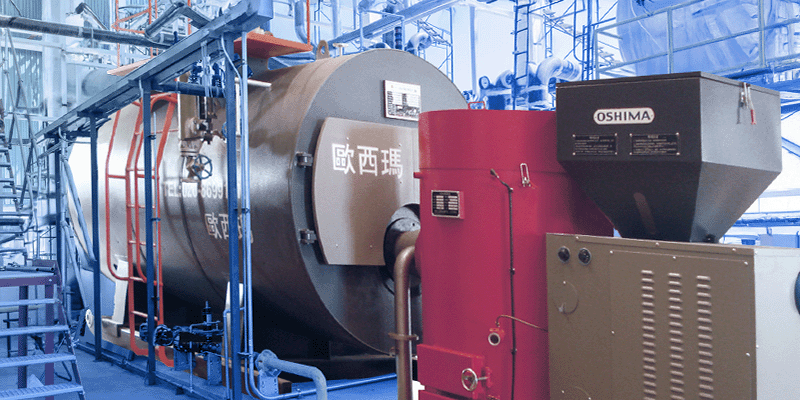
Industrial boilers often go unnoticed in factories, but their importance becomes clear when they stop working. Many industries rely on boilers for the heat needed in daily operations. For example, textile dyeing depends on steam, and food processing uses it for cooking, sterilizing, cleaning, and drying. Other sectors like pharmaceuticals, chemicals, agriculture, hotels, schools, and public facilities also need a steady supply of steam or hot water.
Any process that needs heating, sterilizing, cleaning, drying, setting, or hot water relies on the boiler. The boiler affects production flow, product quality, energy costs, and daily operations. So, choosing a boiler is about more than just checking if it can make enough steam. It's also important to consider fuel availability, steam capacity, pressure stability, emission rules, maintenance needs, safety, and long-term operating costs.
In the past, buyers mainly looked at steam output, pressure, and purchase price. These factors still matter, but they are not enough on their own. Fuel prices can change, emission rules are getting stricter, and downtime is more expensive. Factories also need to pay closer attention to energy use and safety. Choosing the right boiler means not only providing steam or hot water but also maintaining stable production, managing energy costs, meeting regulations, and reducing long-term risks.
Industrial Boilers Are Still Essential Because Production Needs Heat
Demand for boilers remains steady because many industries simply cannot run without heat. Food factories use steam for sterilizing, cooking, cleaning, baking, and pre-packaging. Textile dyeing and finishing plants need steady steam for dyeing, setting, shrinking, and finishing. Pharmaceutical and medical facilities need controlled steam for cleaning equipment, sterilizing, and process heating. Hotels, schools, dormitories, and commercial buildings rely on hot water for rooms, kitchens, laundry, cleaning, and heating.
These uses may seem different, but they all share one key need: a steady supply of heat. If steam pressure drops too low, processes slow down or become unstable. Big temperature changes can lower product quality. Frequent boiler shutdowns can disrupt production. In food factories, unstable steam affects sterilization and processing. In dyeing and finishing plants, it impacts color consistency and quality. For hotels or public facilities, it can interrupt daily services.
When boilers work well, people rarely notice them, but any issue with steam or hot water quickly affects the whole operation. This is why choosing a boiler should involve more than just checking if it can make steam. The main question is whether it can reliably meet the site's real needs.
Every Industry Needs Its Own Boiler Setup
There is no one-size-fits-all boiler setup. Each industry has its own needs for steam volume, pressure, cleanliness, fuel, space, ventilation, operating hours, and maintenance. Using the same boiler specification everywhere might seem convenient at first, but it can cause problems later on.
In textile and garment production, boilers are used for dyeing, setting, shrinking, pressing, and supplying steam. Dyeing and finishing plants require steady pressure and temperature to maintain consistent fabric quality. Garment factories might use less steam than dyeing plants, but pressing and finishing still require reliable steam for a good final look.
Food processing adds more concerns. Steam is used for sterilisation, cooking, cleaning, baking, and pre-packaging, so hygiene, stability, and control are important. If steam demand is high and natural gas is reliable, a gas boiler is a practical choice. For smaller sites or factories that want to avoid combustion exhaust, an electric steam boiler may also be a good option.
Pharmaceutical and medical facilities usually have stricter needs for safety, cleanliness, and process control. Cleaning equipment, sterilizing, and process heating all need steady and controllable steam. Sometimes, electric steam boilers are chosen because they have no open flame, are easy to operate, and are well-suited to clean environments.
Hotels, dormitories, schools, and commercial buildings often need hot water more than steam. Guest rooms, kitchens, laundry, cleaning, and heating all depend on a steady hot water supply. In these cases, it's important to consider peak usage times, available space, ventilation, fuel costs, and safety management.
Agricultural and livestock uses depend a lot on fuel availability and operating costs. Greenhouse heating, feed drying, livestock house heating, and processing farm products may all need boilers. If there is a steady supply of agricultural waste, wood chips, or other biomass fuel, a biomass boiler could be a good choice. However, fuel moisture, storage space, ash handling, and emissions should be checked from the start.
Chemical plants often need boilers that can run continuously. Reactions, heating, drying, distillation, and cleaning all require stable steam volume and pressure for long periods. If downtime is expensive, the factory may need backup boilers, multiple units, and stronger safety systems. Choosing a boiler is not about finding one standard answer. It's about picking a heat energy system that fits the industry, the site, and how the factory really works.
Fuel Availability Shapes the Real Cost of Use
Many buyers focus on equipment price first, but fuel is usually the cost that lasts for years. If the natural gas supply at the factory is stable, a gas-fired boiler is often a good choice. Gas systems are usually easier to manage than older coal or oil systems for combustion efficiency and emissions. Still, the factory should check gas price, supply stability, and local infrastructure.
If the electricity supply is stable, costs are reasonable, and the site has cleanliness or exhaust limits, an electric boiler may be a good fit. Electric boilers are simple to operate and do not produce combustion exhaust. However, their long-term costs depend heavily on electricity prices.
If the factory has a steady supply of biomass fuel, such as agricultural waste or wood chips, a biomass boiler can help reduce reliance on fossil fuels. But biomass is not a simple swap for gas or oil. Fuel quality, moisture, storage space, ash handling, and emission rules all affect how well it works.
Oil-fired boilers are sometimes used when gas supply is unstable, existing fuel systems are already set up, or backup is needed. However, fuel costs and emissions need careful review. There is no single best boiler fuel for every factory. The best choice matches local energy conditions, production needs, and long-term costs. If fuel needs are misjudged early on, the factory may face higher energy costs, more maintenance, or compliance problems later.
Emission Rules Should Be Considered Before Purchase
A boiler produces heat energy but also emits pollutants. If it uses coal, oil, or natural gas, combustion can produce carbon dioxide and other air pollutants. Fuel type, boiler design, combustion efficiency, maintenance, and downstream treatment all affect emissions. These issues should be considered before buying.
Local regulations, emission limits, site restrictions, and possible future environmental rules should be reviewed from the start. Common things to check include nitrogen oxides, sulfur oxides, particulate matter, and carbon monoxide. Depending on fuel and local rules, factories may need low-NOx combustion, dust removal, desulfurization, or other emission controls.
These are not just environmental concerns. They also affect whether the factory can run smoothly. If the equipment later needs changes, shutdowns, or extra pollution controls, the total cost can be much higher than expected. Sometimes, a cheaper boiler ends up costing more because of later compliance work, retrofits, or production stops.
Maintenance and Safety Decide Long-Term Stability
A boiler runs for many years, so it should not only get attention when something breaks. Regular inspection, cleaning, adjusting the combustion system, managing water quality, checking pressure and safety valves, and training operators all help the equipment last longer and run safely. If maintenance is skipped, combustion efficiency drops, fuel consumption increases, emissions worsen, and unexpected downtime becomes more likely.
For food, chemical, dyeing, and medical uses, downtime is more than just a maintenance problem. It can disrupt production schedules, delay deliveries, lower product quality, and hurt customer trust. That's why factories should look not just at the boiler but also at ease of maintenance, spare parts availability, after-sales support, and operator training.
If the production line cannot be stopped easily, it may be necessary to have standby boilers or use several units. This can raise the initial cost, but for industries where downtime is expensive, it may be the smarter long-term option.
Smart Monitoring Makes Boiler Conditions Easier to Manage
Boiler operation used to depend heavily on operator experience. That experience still matters, but more factories are now adding sensors, control systems, and remote monitoring to make site conditions easier to see.
With smart monitoring, managers can track pressure, temperature, combustion condition, energy consumption, abnormal signals, and maintenance reminders more quickly. This data is not only for convenience. It helps the factory notice problems earlier. If the system can alert operators when efficiency drops, temperature rises abnormally, pressure becomes unstable, or combustion conditions change, the site has more time to respond before the issue becomes serious.
For companies with many machines, production lines, or sites, digital records help maintain operational consistency and reduce the need for manual updates. Smart monitoring is not meant to make boiler management harder. Its real value lies in identifying problems earlier, reducing unexpected downtime, and controlling energy waste more effectively.
Practical Boiler Selection Starts from the Site
Factories should not start choosing a boiler based solely on catalogue specifications. That data is important, but it should not be the only thing considered. The discussion should begin with what the site actually needs. The factory should know if it needs steam or hot water, how much is required, if stable pressure and temperature are needed, and whether continuous operation is necessary.
Next, consider fuel options. Natural gas, electricity, oil, and biomass might all be possible. But what really matters is availability, price stability, storage, ventilation, and safety. It's also important to look at the total cost of ownership. The equipment price is just one part; fuel costs, maintenance, emission treatment, operator needs, downtime risk, and equipment life all affect the real cost.
Regulations should not be left for later. Different regions have different boiler emission rules, and factories should avoid focusing only on current usability while ignoring future compliance risk. Maintenance capability also matters. The factory needs to know whether it has enough personnel to manage the boiler, whether the supplier can provide service support, and whether spare parts are readily available.
If the production line cannot be stopped, backup planning is important. Food sterilization, medical sterilization, continuous chemical processes, and large dyeing lines should not just ask if one boiler can run, but also what happens if something goes wrong. Choosing a boiler is not just about filling in specifications—it's about thinking through risks before they become costly.
Industrial Boilers Are Moving Toward Efficiency, Cleaner Energy, and Better Control
Industrial boilers are likely to develop in a few clear directions. First, energy efficiency will be key. As fuel prices change, companies will focus more on heat cost per unit. High-efficiency combustion, waste heat recovery, and better control systems will become more important.
Second, cleaner fuels and lower-emission technology will matter more. Natural gas, biomass, electric boilers, and low-NOx combustion will each play a role depending on the region, industry, and local rules. Third, smart control and remote monitoring will become more common. Boiler operation will rely more on data, sensors, and preventive maintenance than on manual checks alone.
Fourth, operator skills will need to grow. Boiler operators will need to know not only mechanics but also control systems, energy management, safety standards, and emission regulations. Fifth, industry applications will become more specialized. Food, textile, pharmaceutical, chemical, hotel, school, and agricultural users all have different needs. Suppliers will need to provide recommendations that fit each use, not just offer a single standard option.
These trends may seem broad, but they all come back to the same basic questions: Can the factory get stable fuel, control energy costs, meet regulations, operate safely, and reduce downtime?
The Right Boiler Should Match the Factory, Not Just the Specs
The industrial boiler market will keep growing as industrialization, food and beverage demand, infrastructure, and the energy transition all increase demand. But for each company, the key question is not how big the market is—it's what the factory actually needs.
A good boiler should do more than just provide steam or hot water. It should also align with fuel conditions, production needs, emission regulations, maintenance capabilities, site constraints, and long-term costs. OSHIMA can help customers find the right industrial boiler solutions based on industry type, steam demand, fuel conditions, site limits, and environmental needs.
For textile dyeing and finishing, food processing, pharmaceutical and medical use, hotel hot water, agricultural heating, schools, public institutions, and chemical processes, boiler configuration should be based on actual operating conditions rather than a single standard specification or the lowest initial purchase price. Choosing the right boiler allows the equipment to support production while also meeting long-term energy management, safe operation, and environmental compliance needs.


Article Classification
Recent Articles
- Why Are Garment Factories Struggling to Recruit Young Workers?
- What Does the World Cup Have in Common with Apparel Sourcing?
- Why Garment Factories Need Process Stability in a Slower Market?
- Why Scale and Low Cost Are No Longer Enough for Bangladesh Apparel Manufacturing?
- Why Extreme Heat Is Becoming a New Risk for Apparel Supply Chains?