
 0
0



- Home
- Blog
- Industry Insights
- Why Extreme Heat Is Becoming a New Risk for Apparel Supply Chains?
Why Extreme Heat Is Becoming a New Risk for Apparel Supply Chains?
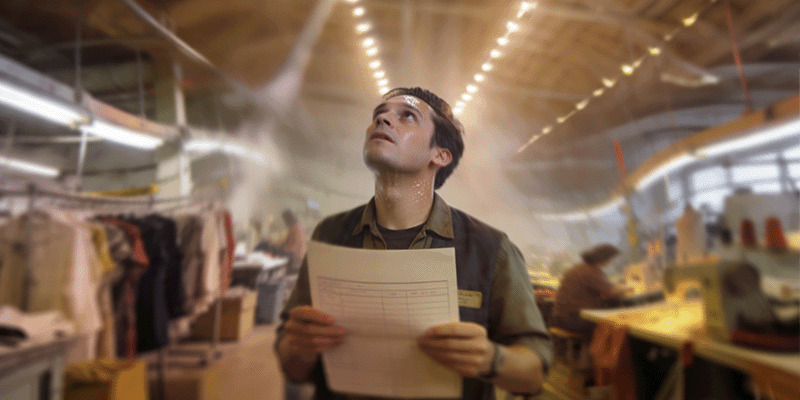
For years, the apparel industry focused on carbon emissions, recycled materials, energy-saving equipment, and annual sustainability reports. These topics still matter, but now factory teams are facing climate risks in a much more direct way.
When the factory floor gets too hot, workers tire more quickly. Work slows, attention slips, and small mistakes are easier to overlook. At first, the effects seem minor: afternoon output drops a bit, some processes take longer, inspections find more defects, or packing needs extra checks before shipping. But by the time the order is ready to ship, these small delays can add up to rework, shipment pressure, and sometimes claims from buyers.
Recent reports on garment factories in India that supply international brands show productivity losses of up to 10% during extreme heat. While 10% may just look like a number on paper, on the production floor it means fewer finished pieces each day, delayed shipments, and much harder schedules to get back on track.
This problem is not just happening in India. Apparel centers in Vietnam, Cambodia, Pakistan, and Bangladesh could lose US$65.8 billion in export earnings by 2030 because of heat and flooding, which could also mean 1 million fewer new jobs. This is no longer just a weather issue in one country, it is now a production risk for the entire global apparel supply chain.
When Heat Starts Changing the Production Floor
Apparel manufacturing still depends heavily on people. Tasks such as fabric inspection, relaxation, spreading, cutting, sewing, pressing, quality checking, and packing all require workers to stand, move, handle materials, make decisions, and perform repetitive, careful actions for long hours.
When the temperature rises inside the factory, the effects go beyond just comfort. Workers may need more breaks, get tired faster, and lose hand speed and focus. A daily target that seems doable in normal conditions can become much harder to hit during the hot season, especially in areas with poor ventilation or heavy work. single, big disruption. It usually builds process by process. The cutting room waits for fabric. The sewing line waits for cut panels. Pressing slows down. Packing loses time at the end of the day. Once the delay reaches the shipment stage, the factory has fewer options. Teams start rushing, overtime increases, supervisors push harder, and quality risk rises at the worst possible moment.
Output Is Not the Only Thing at Risk
When people talk about heat, they usually worry about output first. But in apparel factories, quality can suffer just as much.
Working long hours in a hot, humid environment can hurt concentration, judgment, and hand control. On the sewing line, this can lead to skipped stitches, uneven seams, measurement mistakes, or more rework. During fabric inspection and final checks, fatigue can lead to more missed defects or less consistent judgment among workers.
Heat stress also changes the factory environment. Sweat, dust, poor airflow, fabric storage issues, heat from pressing areas, and crowded packing zones all make handling fabric and preparing garments harder. If management only tracks daily production numbers, they might miss increases in rework, defects, missed inspections, packing mistakes, or last-minute fixes before shipping.
Buyers rarely notice the factory temperature. What they see are late shipments, inconsistent quality, missing traceability, or claims after goods arrive. If the factory does not have data showing how heat affects production and quality, the reasons remain with supervisors or experienced workers, rather than becoming something the factory can manage and discuss with customers.
Standard Capacity Planning Is Becoming Less Reliable
Many apparel factories still plan production using standard working hours, average capacity, and past experience. This approach works most of the year, but it becomes risky when heat on the factory floor is a factor.
Capacity in summer can differ from that in cooler seasons. Morning output may not match afternoon output. Different floors, departments, and processes react differently to heat. Pressing areas, boiler rooms, cutting rooms, warehouses, and packing sections often get hotter and feel pressure sooner than office teams. A crowded sewing line with poor airflow may see both efficiency and quality drop more in the afternoon.
The production plan might use standard capacity, but the factory floor has to handle temperature, humidity, labor conditions, equipment wait times, fabric changes, and unexpected problems. Without records, managers cannot easily tell if a delay is caused by a labor shortage, equipment downtime, fabric issues, process bottlenecks, or heat-related fatigue.
Factories need to focus less on ideal daily capacity and more on actual output by season, time, department, and process. This information affects scheduling, delivery promises, and how they communicate with buyers.
The First Step Is Knowing Which Numbers Are Moving
Factories do not have to start with a big renovation. A more practical first step is to find out which numbers change during hot periods.
Does hourly output drop during the hot season? Is the afternoon always slower than the morning? Do cutting, pressing, or packing areas have more problems? Are downtime, waiting, rework, and missed defects occurring in certain areas or at certain times? These questions are hard to answer if the factory relies only on the supervisor's experience.
When equipment status, output, downtime, problems, and inspection results are digitized, managers can start to see what is causing issues. Managing heat is not just about adding fans or better ventilation. Data needs to be part of the management process. A report that sits in a folder after shipping does not help daily production. What matters is having information early enough for supervisors to adjust staff, schedules, and processes before problems become urgent.
Automation Helps Reduce Pressure on Repetitive Work
Automatic spreading, cutting, conveyors, barcode scanning, AI fabric inspection, and pre-shipment inspection equipment cannot solve every heat-related problem. Factories still need good ventilation, cooling, rest breaks, worker health protection, and better shop floor conditions. But automation helps in a hotter production environment by reducing repetitive work that requires physical strength and constant attention.
For example, in spreading and cutting, equipment data helps managers track progress, fabric use, downtime, and problems. If the early steps slow down, the factory can spot the impact before the sewing line runs out of cut panels. AI fabric inspection and digital quality records also help track defects, rather than relying solely on experienced inspectors or supervisors. When rework, buyer claims, or shipment disputes come up later, the factory has a clearer record to follow.
Smart manufacturing does not have to start with a complete system. For many apparel factories, making key processes visible is already a meaningful step. Once waiting time, downtime, abnormal events, and capacity changes are easier to see, managers have more room to act before the issue reaches the shipment window.
Heat Management May Become Part of Supplier Evaluation
Buyers have usually judged suppliers by price, quality, delivery, capacity, and compliance. As extreme weather events become more frequent, heat management may also become part of supply chain risk checks.
The question will not just be about how many workers, machines, or pieces a factory has on paper each day. Buyers will also want to know whether the factory can maintain steady production during hot seasons, whether afternoon output drops significantly, whether pressing, cutting, or packing areas experience more quality issues, and whether pre-shipment inspection and traceability meet their needs. If a factory struggles every summer with lower output, uneven quality, attendance problems, and delivery delays, buyers take on more risk.
This is why production data is important. It is not just for internal control. It can help with discussions about delivery timelines, capacity changes, improvement plans, and risk-sharing with buyers. In a less stable climate, a competitive supplier is not just the one with the lowest price. It is the factory that can keep quality, delivery, and shop floor visibility under control when things get harder.
Factory Visibility Matters More in a Hotter Climate
For workers, extreme heat is a health and workplace issue. For factories, it affects capacity, quality, attendance, and scheduling. For buyers, it is a problem of supply chain stability.
Apparel factories cannot treat heat as just a seasonal discomfort. They need to understand how it changes the production floor. Better ventilation, adjusted schedules, less repetitive manual work, and clearer production data will all help keep delivery and quality stable.
Extreme heat is no longer just a tough summer problem. In apparel manufacturing, it is now a production management issue. For global fashion supply chains, it is also a risk that buyers and factories need to manage together.


Article Classification
Recent Articles
- Why Are Garment Factories Struggling to Recruit Young Workers?
- What Does the World Cup Have in Common with Apparel Sourcing?
- Why Garment Factories Need Process Stability in a Slower Market?
- Why Scale and Low Cost Are No Longer Enough for Bangladesh Apparel Manufacturing?
- Why Extreme Heat Is Becoming a New Risk for Apparel Supply Chains?