
 0
0



- Home
- Blog
- Equipment Knowledge
- After Fabric Inspection, What Comes Next?
After Fabric Inspection, What Comes Next?
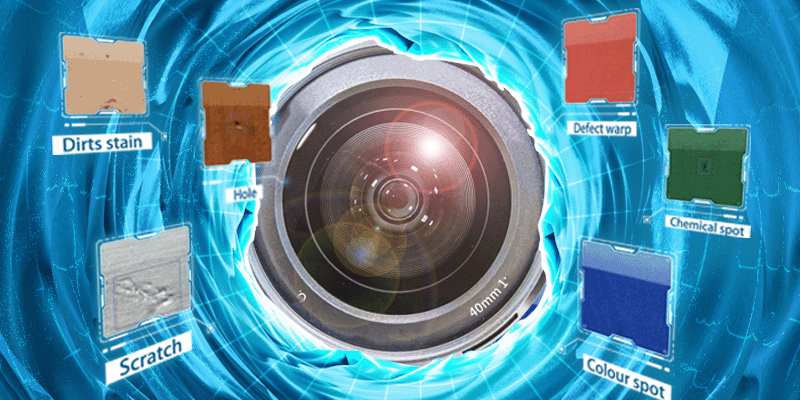
Most factories do not lose money simply because a fabric defect exists. They lose money because the defect is discovered too late.
A small oil stain found during fabric inspection may only require the affected area to be marked. The same stain discovered after spreading and cutting can mean separating cut panels, changing the marker arrangement, recutting components and checking whether other parts from the same ply are also affected. By the time the problem reaches sewing, the cost and disruption are already much greater.
Fabric inspection should therefore do more than identify visible defects. It should give the production team a clear understanding of each roll before the fabric reaches spreading and cutting. The most useful inspection process records what the problem is, where it appears and how it may affect the usable fabric area.
Fabric Defects Become More Expensive as Production Moves Forward
Fabric problems can originate during yarn preparation, weaving, knitting, dyeing, finishing, transportation or factory handling. Common defects include yarn knots, slubs, foreign fibres, broken yarns, warp and weft irregularities, horizontal lines, holes, dye marks, colour spots, shading, oil stains, adhesive residue and pressure marks.
The defect itself is only part of the issue. Its position and frequency often have a greater effect on production.
A small colour spot near the fabric edge may have little influence on the marker. The same defect repeated across the full width may reduce the usable area of an entire section. A hole located between garment components may be avoided during cutting, while a hole falling in the middle of several stacked front panels can result in multiple defective parts.
Stretch fabrics create another common problem. Local tension or construction variation may not appear serious during a quick surface check, but it can later affect spreading tension, cut-part dimensions and sewing stability.
This is why inspection needs to connect the condition of the fabric with the production stages that follow.
Inspection Information Must Support Spreading and Cutting
When fabric arrives at the factory, the inspection process usually begins with basic roll information such as colour, dye lot, roll number, width and length. These details need to remain connected to the inspection result.
Dye-lot and shade information affects how rolls are grouped before spreading. Fabric width influences marker planning. Recorded defect positions help spreading and cutting teams decide where to stop, separate or avoid a section of fabric.
The relationship between these stages is direct. A spreading operator needs to know whether a roll contains continuous defects, unstable width or concentrated problem areas. The cutting team needs accurate information about which fabric sections can be used and which sections may affect important garment components.
A report that remains only in the inspection department has limited production value. Useful information should move with the roll and reach spreading and cutting before the material is laid and cut.
Edge marking is one practical method. A more detailed inspection report may also include the defect type, metre position, fabric width and severity. Digital systems can add images and a defect distribution map, making the affected areas easier to review before production begins.
The goal is not to create more paperwork. It is to prevent a known fabric problem from entering multiple plies and becoming a larger cutting-room problem.
The Same Defect Does Not Always Require the Same Decision
Fabric defects are often classified as critical, major or minor, but the final decision still depends on the garment and the location of the defect.
Large holes, severe colour differences, continuous construction irregularities and major stains may make part of a roll unusable. Local dye marks, oil stains or slubs may still be manageable when their exact positions are known before spreading.
Product type also matters. A visible mark on the front of a business shirt is normally more serious than the same mark inside a less visible component. A structural irregularity in a decorative fabric may affect appearance, while the same type of variation in a functional fabric may also influence performance.
For spreading and cutting teams, a simple good-or-bad judgement is rarely enough. They need to know how much usable fabric remains and whether the affected area can be avoided without disrupting marker efficiency, shade control or production flow.
The Four-Point System Creates a Consistent Reference
The four-point system provides a standard method for recording visual fabric defects. Points are assigned according to defect size, with a single defect generally receiving no more than four points. The total is then calculated in relation to the inspected fabric area.
The value of this system is consistency. It allows factories to compare fabric rolls, batches, dye lots and suppliers using the same recording method instead of relying entirely on individual judgement.
The score can also reveal patterns that are not obvious from a simple pass-or-fail result. One roll may contain several defects concentrated within a short section, while another may have smaller problems distributed over the full length. Both rolls may receive a similar score, but they may need to be handled differently during spreading.
Acceptance limits still depend on the customer, fabric type, purchasing agreement and factory quality standard. The four-point system supports the decision; it does not replace production judgement.
Conventional Inspection Still Has an Important Role
A conventional fabric inspection machine moves the material across an illuminated inspection surface, allowing an operator to check the fabric, mark defects and record the length.
This method remains practical for factories handling frequent fabric changes, complex patterns or materials where acceptance depends heavily on the final garment. Experienced inspectors can recognise unusual surface conditions and make immediate decisions that may be difficult to define through fixed software rules.
Conventional inspection also allows the operator to check the winding condition, fabric width and general roll stability while the material is running. Automatic edge alignment helps keep the fabric properly positioned during inspection and rewinding, while length recording provides basic information for production planning.
The main limitation is variation between operators. Experience, concentration and working duration can affect the result. Manual records also become harder to organise as inspection volume increases.
For factories with manageable roll quantities and experienced inspection personnel, this approach may still provide the flexibility they need. The weakness usually appears when the factory requires more consistent records, faster traceability or clearer defect-position information for spreading and cutting.
Vision-Based Inspection Improves Recording and Traceability
Vision-based inspection systems use cameras and controlled lighting to capture the fabric surface. The software records images and may identify selected abnormalities based on predefined visual conditions.
This approach can improve consistency when the factory handles stable materials and recurring problems such as holes, pattern interruptions or obvious surface differences. Image records also make it easier for quality personnel to review a defect without returning to the original fabric position.
The challenge comes from the fabric itself. Colour, texture, print, pile direction, stretch, transparency and surface reflection can all affect image capture. A system adjusted for plain woven fabric may not perform the same way on dark knitted fabric, brushed material or reflective functional textiles.
Vision-based inspection is most effective when the fabric range and inspection target are clearly defined. A factory processing many different materials may need frequent parameter adjustment to maintain reliable results.
AI Inspection Turns Each Roll into Usable Quality Data
AI fabric inspection uses captured images and trained defect data to recognise different types of fabric abnormalities. Its main value is not simply faster detection. It can turn the inspection result into structured information linked to each fabric roll.
The OSHIMA EagleAi/Plus system is designed for knitted and woven fabrics. Its operating speed can be adjusted from 10 to 40 metres per minute according to the fabric type and inspection conditions.
The system identifies common defects including yarn knots, slubs, foreign fibres, warp and weft irregularities, broken yarns, horizontal lines, holes, stop marks, dye marks, colour spots and different types of stains. It also produces a defect distribution map and detailed inspection report.
This information allows the quality team to review the overall condition of the roll rather than examining isolated defect records. Spreading and cutting personnel can see where defects are concentrated before the fabric is laid. Repeated issues can also be compared between rolls, batches or material sources.
The accumulated records may become useful beyond the current order. Quality teams can track whether the same type of defect continues to appear in a particular fabric group or from a particular supplier.
AI inspection still requires realistic expectations. New fabrics, complicated prints, transparent materials, reflective surfaces and factory-specific defect definitions can affect recognition performance. Production trials using the factory’s actual fabrics provide a more reliable evaluation than maximum machine speed or a general list of detectable defects.
Fabric Inspection Should Prevent the Next Problem
The value of fabric inspection is measured by what it prevents after the roll leaves the inspection machine.
A clearly marked defect can be avoided during spreading. Reliable shade and dye-lot information can prevent colour variation from being mixed within the same garment. Accurate width and defect-position records can help the cutting team protect marker efficiency and reduce unnecessary recutting.
Conventional inspection provides flexible human judgement. Vision-based systems add image records and location tracking. AI fabric inspection extends the process further by organising defect recognition, distribution maps and roll-level reports.
OSHIMA provides automatic edge-alignment fabric inspection machines and the EagleAi/Plus AI fabric inspection system for knitted and woven fabric applications. The appropriate level of inspection depends on the material range, daily roll volume and how the factory uses quality information during spreading and cutting.
The most important point is not how many defects the inspection process records. It is whether those records reach production early enough to stop the same defects from becoming cut-part, sewing and finished-garment problems.


Article Classification
Recent Articles
- The 30-90-180 Day Rule for Industrial Boiler Maintenance
- How Garment Machinery Supports Safety, Compliance and Environmental Management?
- What Happens Before Fabric Goes to the Cutting Table?
- Industrial Iron & Vacuum Table Care: How to Extend Their Lifespan
- Cutting Floor ROI: How the M8s and TAC Save $100K Annually