
 0
0



- Home
- Blog
- Smart Manufacturing
- What Can AI Fabric Inspection Improve? Applications, Limits and Investment Considerations
What Can AI Fabric Inspection Improve? Applications, Limits and Investment Considerations
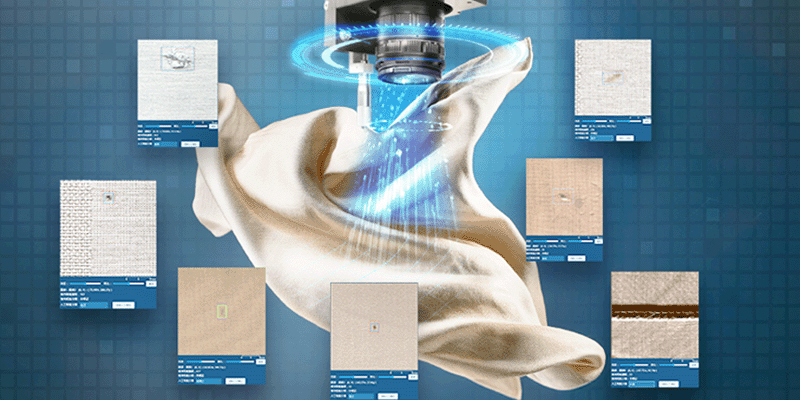
When fabric quality issues are discovered only after cutting, processing or garment assembly, a factory may already have invested material, labour and production time. For textile mills and garment factories, fabric inspection is not simply about identifying visible defects. It is also a starting point for later production planning, quality communication and material-use management.
Manual fabric inspection continues to have value, particularly for specialised materials, smaller volumes or situations requiring experienced human judgement. However, when factories need to manage more rolls, more fabric types, clearer quality records or earlier information before cutting, vision-based inspection and AI fabric inspection equipment become relevant areas for evaluation.
Whether an AI inspection system is worth the investment cannot be determined only by its technology label or demonstration results. Factories need to confirm which fabrics the system can process, how inspection data will be used, how employees will remain involved in quality decisions, and whether the equipment addresses an actual production problem.
This article explains the difference between vision-based fabric inspection and AI fabric inspection, the quality-management needs such equipment may support, and the practical conditions factories should review before implementation.
What Is the Difference Between Vision-Based Fabric Inspection and AI Fabric Inspection?
A vision-based fabric inspection system uses cameras, lighting and software to analyse fabric-surface images and identify conditions requiring attention. Depending on the technical approach, visual inspection may use rule-based analysis, automated optical inspection or artificial intelligence models.
Manual Fabric Inspection
Manual inspection relies on operators to observe fabric surfaces and record defect locations and severity according to quality standards. Experienced personnel can judge fabric conditions based on customer requirements and practical knowledge. However, as inspection volumes and reporting requirements increase, results may be influenced by differences in attention, experience and recording methods.
AOI-Based Visual Inspection
AOI systems commonly rely on predetermined rules, image characteristics or configured parameters to identify abnormalities. They may support continuous inspection where materials and defect patterns are relatively stable, but different fabrics or more complex appearances may require setting adjustments.
AI Fabric Inspection
AI fabric inspection uses fabric images and established defect data to assist with identifying and classifying conditions requiring attention. It can provide defect locations, distribution information and inspection reports. Actual performance still depends on fabric type, defect categories, image conditions, available data and the factory’s quality standards.
AI fabric inspection should therefore not be viewed as a fully automatic replacement for quality personnel. A more practical implementation uses equipment to support continuous checking and information organisation, while quality staff remain responsible for confirmation, judgement and subsequent action.
Why Are Textile and Garment Factories Evaluating AI Inspection?
Factories generally consider AI inspection because of production and quality-management pressure, rather than simply because newer technology is available.
| Factory Situation | Potential Issue | How AI Visual Inspection May Support the Process |
|---|---|---|
| Increasing fabric-roll volume | Greater manual inspection and recording burden | Supports continuous inspection and report organisation |
| More fabrics and customer requirements | More complex defect criteria and quality communication | Establishes clearer quality data |
| Defects found only after cutting | Potential recutting, replacement material or schedule adjustment | Provides earlier pre-cutting quality information |
| Inconsistent quality-report formats | Difficult internal and customer communication | Provides defect maps and inspection reports |
| Experienced inspectors require time to develop | Quality criteria may be difficult to transfer consistently | Uses recorded information to support human judgement |
| Managers need access to inspection status | Paper or dispersed records are difficult to follow | Provides inspection information according to equipment functions |
1. Obtaining Defect Information Before Cutting Reduces Late-Discovery Risk
When visible defects, shade issues or other fabric-quality conditions are identified only after spreading and cutting, subsequent handling becomes more complex. Factories may need to rearrange material, revise cutting plans or manage products that have already proceeded into later processes.
AI visual inspection equipment can help factories establish clearer information before fabric moves further into production, such as:
-
Defect locations and distribution.
-
Fabric-surface conditions requiring attention.
-
Roll-level inspection results.
-
Inspection reports available to quality and production staff.
The value of this information is that problems can be reviewed earlier. Before cutting, factories can determine according to their quality standards whether a roll is suitable for the intended order, whether particular areas require attention or whether quality communication with a supplier or customer is necessary.
Equipment cannot automatically guarantee that every material-use decision will be correct. Final acceptance, handling and production decisions still depend on factory quality standards and product requirements.
2. Extending Quality Inspection from Personal Experience to Usable Data
The value of manual inspection lies in experience and judgement. The issue is not that experienced inspectors are unnecessary. It is that when quality information remains only in individual experience or dispersed records, a factory may find it difficult to use that knowledge in later management.
Vision-based inspection equipment can help establish more structured quality information, including defect distribution, inspection results and report data. These records may support:
-
Comparison of quality conditions across different fabric batches.
-
Material-use confirmation before cutting.
-
Internal reporting and follow-up of quality abnormalities.
-
Communication with customers or suppliers regarding fabric conditions.
-
Review of repeatedly occurring defect types.
For a factory, inspection equipment is therefore not only a tool for observing fabric. It can also become a starting point for quality-management data.
Where a factory expects to use this information further, implementation planning should define who reviews reports, which defects need to be communicated to subsequent processes, how information will be retained and who decides how abnormalities are handled.
3. Remote Viewing and Monitoring: Management Support, Not Automatic Problem Resolution
Where factories operate across different floors or sites, or where managers need clearer inspection visibility, equipment with real-time monitoring and remote-operation functions can help relevant personnel review operation and inspection information.
For quality or production managers, this may support:
-
Confirming whether inspection work is in progress.
-
Reviewing inspection results and quality information requiring attention.
-
Receiving abnormality information more efficiently within the management process.
-
Reducing the risk that quality information remains only at one operating station.
4. Quality Data Can Support Process Investigation
In actual quality management, recorded defect data may help factories observe whether certain issues occur repeatedly. For example:
-
Whether similar defects recur within a particular batch.
-
Whether specific fabric types show a concentration of abnormalities.
-
Whether quality problems require investigation of weaving, dyeing or finishing processes.
-
Whether suppliers or related production teams need further confirmation.
| Quality Data May Provide a Clue About | Confirmation Still Required from the Factory |
|---|---|
| Repeated defect types | Review material, weaving, dyeing or finishing records |
| Abnormalities concentrated in a specific batch | Confirm supplier information and acceptance conditions |
| Inspection results differing from previous batches | Have quality staff determine whether usability is affected |
| Problem areas found before cutting | Decide material handling and later production arrangements |
5. Supporting Lower Avoidable Rework Risk
The textile and garment industries face increasing expectations relating to material use, waste and product quality. One practical direction in more sustainable manufacturing is to identify issues before materials receive additional processing.
AI visual inspection can support this direction by:
-
Identifying fabric conditions requiring attention earlier.
-
Retaining inspection results for later material decisions.
-
Reducing the risk of defects being found only after cutting or processing.
-
Providing information for reviewing recurring quality problems.
-
Helping factories build clearer quality-management records.
However, a factory wishing to claim that equipment has reduced material waste, energy use or environmental impact should establish comparable operating data before and after implementation, such as:
-
Recutting or replacement-material incidents caused by fabric defects.
-
The proportion of material issues found before cutting.
-
Handling of nonconforming material.
-
Recorded causes of rework and rejection.
-
Time required for quality communication and issue resolution.
Equipment can support improvement, but sustainability results should still be verified through actual production data.
6. Quality Consistency and Customer Communication: The Practical Value of Inspection Reports
For factories supplying brands, fabric customers or garment manufacturers, quality communication depends not only on identifying problems, but also on providing clear information about fabric conditions.
Defect mapping and inspection reports from AI inspection equipment may help factories:
-
Explain quality conditions more clearly to internal production teams.
-
Provide fabric information requiring attention before cutting.
-
Refer to specific records when discussing abnormal batches with customers or suppliers.
-
Establish information for later quality improvement and follow-up.
A clear quality information, combined with stable abnormality-handling procedures, can support more reliable quality communication and customer confidence.
AI Visual Inspection Is Not Automatically Suitable for Every Factory
AI inspection has practical applications, but it does not mean every factory should introduce it immediately.
Where production volume is smaller, materials are highly specialised, or quality judgement depends heavily on touch and experienced visual review, conventional inspection equipment combined with skilled personnel may remain appropriate.
Vision-based or AI inspection is more relevant for factories facing conditions such as:
| Factory Condition | Reason to Evaluate AI Inspection |
|---|---|
| High fabric-roll volume or increasing inspection workload | Need for a more continuous inspection and recording process |
| Need to provide defect information before cutting | Desire to reduce late-discovery risk |
| Requirement to retain inspection reports | Support internal follow-up and customer communication |
| Inspection needs across knitted and woven fabrics | Need to evaluate suitability for principal materials |
| Factory establishing quality-data procedures | Desire to incorporate inspection information into front-end management |
| Cross-location management or remote review needs | Opportunity to evaluate equipment with monitoring and remote-operation functions |
Five Conditions to Confirm Before Introducing AI Fabric Inspection
1. Principal Fabric Types and Material Conditions
Factories should organise information on the knitted, woven, stretch or other materials they primarily process, including surface appearance, colours and common defects. Equipment suitability should be confirmed with actual materials.
2. Defect Classification and Quality Acceptance Standards
AI inspection needs to operate within the factory’s and customer’s quality criteria. Which defects require recording, which affect usability and which require rejection or special handling should be clearly defined.
3. How Inspection Results Will Connect with Later Processes
If reports are retained but not used by material preparation, spreading, cutting or quality staff, their value will be limited. Before implementation, the factory should plan report review, abnormality notification and response procedures.
4. Operator and Quality-Decision Capability
Equipment still requires people to operate it, confirm results and handle abnormalities. Factories should define how quality personnel, operators and managers will use inspection information together.
5. Which Results the Factory Intends to Measure
Factories may define indicators such as completeness of inspection reports, proportion of issues found before cutting, recorded rework causes, quality communication efficiency and equipment use, allowing the investment to be evaluated against actual needs.
How Can OSHIMA Support AI Visual Fabric Inspection Implementation?
OSHIMA EagleAi intelligent fabric inspection equipment can be applied to quality inspection for knitted and woven fabrics. Inspection results can include defect maps and detailed reports, helping operators and managers understand fabric conditions before cutting and later production.
According to configuration, the equipment also provides real-time monitoring, remote control and offline-operation functions. Working speed ranges from 10 to 40 metres per minute, depending on fabric type. For elastic and knitted materials, the equipment also supports low-tension handling requirements.
Factories can evaluate AI fabric inspection where they need to:
-
Obtain clearer fabric-defect information before cutting.
-
Establish defect-distribution information and inspection reports.
-
Inspect knitted and woven fabrics.
-
Review remote-viewing or operation-management functions.
-
Provide inspection information to cutting and quality-management processes.
AI fabric inspection is not a single answer that replaces quality personnel. It is a tool that can help factories establish clearer quality information and a stronger basis for front-end production decisions.
Conclusion
A textile factory should not invest in a vision-based inspection system simply because AI has become a popular industry topic, nor should a purchase decision be based only on machine speed or demonstration images.
When a factory needs to manage higher inspection volumes, address insufficient quality records, identify defects before cutting, follow different fabric batches more clearly or provide customers with more structured inspection information, AI visual fabric inspection may become a relevant equipment direction to evaluate.
Its value does not lie in claiming complete replacement of manual judgement, automatic identification of every root cause or guaranteed sustainability performance. Its practical value is helping factories identify fabric-quality issues earlier, establish usable inspection information and give quality and production managers a clearer basis for subsequent process decisions.
OSHIMA provides AI visual fabric inspection equipment and related fabric-quality-management solutions, supporting textile and garment factories in evaluating inspection configurations according to fabric type, defect standards, production workflow and quality requirements.


Article Classification
Recent Articles
- If Every Machine Is Running, Why Does the Factory Still Feel Stuck?
- AI Fabric Inspection: Turning Fabric Defects into Cutting Room Decisions
- Where Does a Garment Factory Lose Energy During Production?
- What Changes When Garment Factory Data Becomes Connected?
- How Garment Factories Can Boost Fabric Utilization and Cut Waste?