
 0
0



- Home
- Blog
- Applications & Solutions
- Why Every Step Matters in Footwear Quality Control?
Why Every Step Matters in Footwear Quality Control?
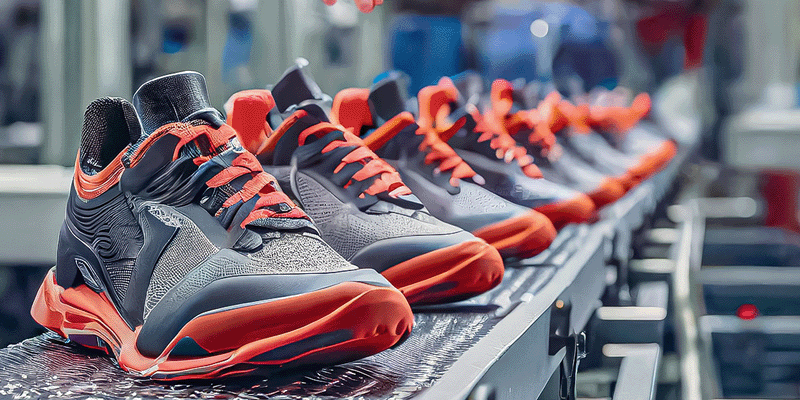
Footwear production is not simply about assembling an upper, outsole and accessories. From incoming materials, cutting and stitching to shaping, sole attachment and final inspection, every process affects shoe size, appearance, comfort and durability.
For brand customers, a shoe quality problem can lead to returns, consumer safety concerns and loss of trust. For footwear factories, quality control should not be limited to the final inspection before shipment. It should be built into each stage of production, with checks made early enough to prevent small issues from becoming batch-level problems.
Quality Control Starts Before Final Inspection
In footwear production, QC is not only one department’s job. It is distributed across different stages. Incoming quality control checks leather, fabric, synthetic materials, soles, adhesives and accessories before production begins. Different brands or markets may require materials to meet certain chemical restrictions, environmental standards or internal specifications. If materials already have thickness variation, colour difference, surface defects or unstable physical properties, later processing cannot fully solve the problem.
In-process quality control takes place during cutting, stitching, lasting and assembly. These checks help identify size, stitch, alignment, bonding and appearance issues before they continue to the next process. In mass production, the earlier a problem is found, the easier it is to reduce rework and material loss. Final quality control checks finished shoe appearance, left-right consistency, cleanliness, packaging and safety. If the product requires metal contamination checks, needle detection or metal detection equipment becomes an important final safeguard before shipment.
Cutting Preparation Affects Material Utilization
The cutting room is a key area for cost and quality in footwear production. If leather, fabric, synthetic leather or other shoe materials are not cut accurately, later stitching and assembly will be affected. CNC cutting machines, laser cutters and digital cutting systems follow digital files to cut shoe components. They are suitable for multi-style, small-batch or complex upper parts. These machines help reduce variation caused by manual cutting and make material planning easier to manage.
Hydraulic clicking presses are still common in large-volume production, especially when factories need to quickly punch standard upper or shoe material shapes. For highly standardized products, they remain efficient. Skiving machines are also important in shoe upper processing. If material edges are too thick, stitched areas may become uneven and affect wearing comfort. Skiving makes joint areas smoother and reduces difficulty in later stitching and assembly.
Stable cutting supports more stable stitching, shaping and final assembly.
Stitching Stability Affects Upper Appearance and Structure
A shoe upper is usually made of many components. Different materials, thicknesses and curves all affect stitching difficulty. If stitch density is unstable, sewing lines are crooked or parts are not aligned, the final appearance is affected. In more serious cases, the structure may also be weakened. Modern stitching equipment and computerized sewing systems help factories maintain more consistent stitch patterns, seams and decorative effects in standardized processes. This is especially important for shoes that require consistent appearance, such as sports shoes, casual shoes, children’s shoes or branded designs with complex upper details.
However, stitching still requires skilled judgement. Shoe upper materials are not rigid parts. Different leather, fabric and synthetic materials behave differently. Operators still need to adjust according to actual material condition. The value of automation is to stabilize the parts that can be standardized, while allowing workers to focus on alignment, abnormal handling and quality judgement.
Shaping and Lasting Affect Fit
To create a stable shoe shape and wearing space, shaping and lasting must be controlled properly. If the upper material is too stiff or its tension is not well managed before lasting, forced stretching may cause cracks, deformation or poor appearance. Steam softening equipment can make some upper materials more flexible before lasting, helping the material fit the last more smoothly. Lasting machines use mechanical pulling and positioning to shape the upper closer to the required space and form. For footwear factories, this stage is not only about appearance. It also affects wearing comfort. Left-right consistency, size stability and upper smoothness are all related to shaping and lasting.
Assembly Requires Control of Pressure, Temperature and Bonding
Sole separation is one of the most visible quality problems in footwear. If the bond between the upper and outsole is unstable, the shoe may open during wear, rain, bending or long-term use.
Sole pressing machines, bonding equipment and injection-related machines help control pressure, temperature, time and material bonding conditions. If these conditions are unstable, bonding strength can be affected.
Factories may also use peel strength tests or other physical tests to confirm whether the upper and sole bonding meets brand or internal standards. These test results and process records are important parts of footwear QC.
Final Inspection Protects Safety and Brand Risk
Before cleaning, finishing and packing are completed, shoes usually go through final quality inspection. This may include checking left-right symmetry, upper appearance, glue overflow, stitching, size, accessories, packaging and labels.
If broken needles, metal fragments or magnetic metal contamination may appear during stitching or processing, metal detection becomes an important final safety check. For export markets or brand customers, this type of inspection may be part of supply chain safety requirements.
Industrial needle detection machines or metal detection machines can be placed at the end of the packing line to help factories check finished shoes or packed products for metal contamination. When combined with conveyor and reject processes, final inspection becomes more stable and reduces the risk of missed defects.
The Meaning of Automated QC Is Not Only Speed
For footwear factories, automated QC is not about replacing people completely. It is about making each error-prone, repetitive or standard-sensitive process more controllable.
Cutting equipment improves material use stability.
Stitching equipment helps make seams and decorative effects more consistent.
Shaping and lasting equipment help keep shoe form and size closer to specification.
Sole pressing and bonding equipment make assembly conditions more controllable.
Needle detection and metal detection equipment provide a stronger basis for final safety checks.
When QC is not limited to final inspection but distributed throughout the production process, factories can find issues earlier and reduce the risk of batch rejection, rework and customer complaints.
Start Strengthening Footwear QC from Final Safety Inspection
Footwear automation is a complete quality mindset. From incoming materials to finished shipment, each process affects whether the final product meets brand requirements.
For many footwear factories, improving QC does not require replacing the entire production line at once. It can begin with the process that directly affects safety and shipment risk, such as final metal detection, packing line inspection or quality records for key processes.
OSHIMA provides needle detection machines, metal detection equipment and conveyor-based inspection solutions to help footwear factories add a stable final check before shipment. For factories supplying international brands, export markets or high-volume orders, a reliable final inspection process is an important foundation for reducing customer complaints and recall risk.


Article Classification
Recent Articles
- What Changes When Fabric Defect Data Reaches the Cutting Plan?
- How Can Food Factories Catch Problems Before Shipping?
- From Metal to Bones: How to Pick the Right Food Safety Machine
- From Nonwovens to Automotive Interiors: Choosing the Right Fabric Spreading Machine
- How Garment Factories Can Prepare for Smaller Orders?