
 0
0



- Home
- Blog
- Smart Manufacturing
- How Garment Factories Can Introduce Automation Step by Step?
How Garment Factories Can Introduce Automation Step by Step?
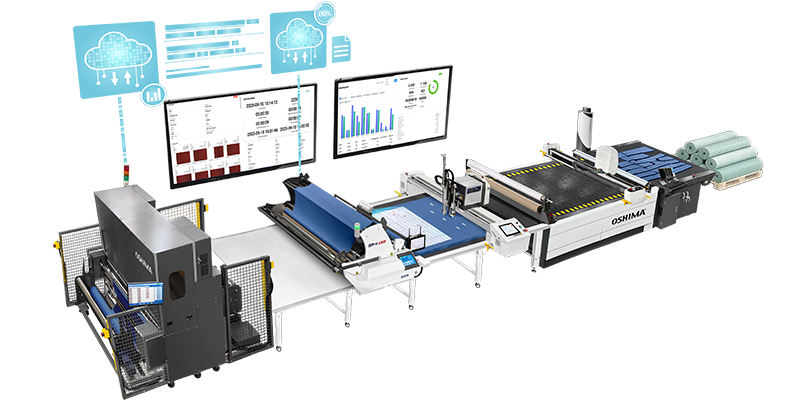
The biggest mistake in garment automation is treating it as a plan to remove people from the entire factory.
Fabric is flexible, easily deformed and affected by tension, thickness, elasticity and surface condition. At the same time, garment factories manage changing styles, size combinations, order quantities and customer standards. These conditions make it difficult to automate every production stage in the same way.
For most factories, the more practical starting point is to identify where repetitive work, waiting time, quality variation or missing information is affecting production. Fabric inspection, spreading, cutting, fusing, final quality inspection and production data management are often easier to standardize than processes that require constant fabric handling and operator judgement.
The purpose is not simply to replace workers. It is to make specific processes more stable, prevent problems from moving downstream and allow production teams to spend more time on equipment management, quality decisions and abnormal handling.
Different Processes Require Different Levels of Automation
Garment production includes fabric preparation, cutting, sewing, pressing, inspection and packing, but these processes do not have the same automation conditions.
Fabric inspection, spreading, cutting and fusing can usually be controlled through clearer operating parameters. Equipment can repeat defined actions, maintain more consistent conditions and create production records.
Sewing is more difficult to standardize. Fabric must be positioned, folded, turned and guided through different seams, curves and construction details. Material elasticity and style changes add further variation. Although sewing automation continues to develop, manual judgement remains important in many production situations.
This does not mean garment factories cannot automate. It means automation should be applied according to the characteristics of each process. Equipment handles the work that can be defined and repeated, while people manage changing materials, quality decisions and exceptions.
Fabric Inspection: Make Fabric Conditions Clear Before Cutting
Fabric quality problems become more expensive once the material has entered the cutting room.
If defects, length differences or fabric abnormalities are discovered after cutting, the factory may need to replace panels, arrange additional fabric, recut parts or adjust the sewing schedule. A problem that began during fabric preparation can quickly become a cutting, sewing and delivery problem.
Manual fabric inspection continues to depend on operator experience, especially when deciding whether a defect will affect garment appearance or usable width. However, as factories handle more fabric batches and shorter production schedules, handwritten or inconsistent records can leave gaps between inspection and cutting.
Fabric inspection equipment can provide more consistent length and fabric-condition records. AI fabric inspection can further support repetitive defect detection and data organization, making it easier to review defect locations and compare fabric batches.
The equipment does not replace the need for quality judgement. Operators still need to confirm unusual conditions, interpret inspection results and decide how the fabric should be allocated or handled. The improvement comes from combining consistent inspection information with experienced production decisions.
Automatic Spreading: Stabilize the Conditions Before Cutting
Spreading transfers the condition of the fabric directly into the cutting process.
Tension, alignment, ply condition and fabric handling all affect the quality of the lay. If these conditions are unstable, the cutting machine may produce accurate cutting paths but still deliver distorted or inconsistent cut parts.
Manual spreading may also create physical strain and waiting time, particularly when operators handle heavy rolls, multiple batches or frequent style changes. The problem is not only labor intensity. Repeated adjustment and inconsistent preparation can make the cutting schedule harder to control.
Automatic spreading equipment reduces repetitive handling and helps maintain more stable spreading conditions according to the fabric and order requirements. Its purpose is not to force every material into the same setting, but to make different material conditions easier to manage through controlled parameters.
When spreading becomes more consistent, cutting arrangements are easier to maintain and fewer problems are passed to the next stage.
Automatic Cutting: Control Variation in Multi-Style Production
Cutting accuracy directly affects sewing efficiency.
When factories handle more styles, size combinations, short batches or replenishment orders, the cutting room must manage more frequent changes. Unstable cut-part dimensions, missing pieces or cutting errors create sorting problems, additional checking and rework in sewing.
Automatic cutting equipment helps maintain more consistent cutting paths and cut-part quality across repeated production runs. It also supports faster changes between markers and order combinations when the cutting room manages a high product mix.
However, the cutter cannot correct every upstream problem. Fabric defects that were not identified, unstable spreading tension or incorrect material preparation will still affect the final cut parts. Automatic cutting creates the most value when fabric inspection, spreading and cutting are managed as one connected front-end process.
A stable cutting room does more than increase output. It gives sewing more reliable components and reduces the time spent correcting problems that should have been controlled earlier.
Quality Automation Must Protect the Final Output
Increasing production speed without strengthening quality control only moves risk further down the line.
Garments still need to meet the customer’s appearance, safety and shipment requirements. Depending on the product, this may include final inspection, weight checking, needle detection or other pre-packing controls.
Inspection equipment can help standardize required checks, record inspection results and reduce the chance that a problem product enters packing or shipment. These records also provide clearer support when factories review abnormalities, respond to customer questions or prepare for audits.
Front-end and final inspection should not operate as separate information points. When fabric inspection records can be compared with cutting, production and final quality information, factories have a better chance of identifying where a recurring problem began.
Data Is Useful Only When It Supports a Decision
A machine displaying output, downtime or operating status does not automatically make a factory smart.
Production data becomes useful when it helps answer specific questions. Managers may need to know which process creates the most waiting, which fabric type leads to more rework, why one order requires repeated adjustment or whether certain machine conditions are affecting scheduling.
Quality data should serve the same purpose. Defect records are valuable when they help identify repeated material problems, adjust inspection standards, improve operator training or revise the production process.
Machine data can also improve internal production visibility and quality traceability. However, it does not create complete supply-chain transparency by itself. Raw-material sources, subcontracting, purchasing requirements and quality responsibility still depend on broader management systems.
The role of equipment data is to make internal conditions clearer and provide a more reliable basis for production and customer communication.
Automation Changes the Distribution of Work
Automation does not only reduce manual operations. It changes the type of work people perform.
Fabric inspectors may spend less time on repetitive observation and more time confirming unusual defects and reviewing inspection results. Spreading and cutting operators may move from continuous material handling toward machine setup, fabric-condition confirmation and abnormal handling. Production supervisors may use machine records to review downtime, output and process variation.
This shift requires operators to understand the relationship between machine settings, material conditions and production results. Training in operation, basic maintenance, quality standards and data use therefore needs to develop together with the equipment.
A machine cannot stabilize production if operators do not know how to adjust it for actual fabric and order conditions. Equipment becomes part of the production system only when people, operating procedures and management methods are aligned with it.
Conclusion
Garment automation should begin where production variation first enters the process, not where the defect is eventually discovered.
A sewing problem may begin with inaccurate cutting. Inconsistent cut parts may come from unstable spreading. Recutting and schedule changes may result from fabric defects that were not clearly identified before cutting. Looking at these stages as one connected production flow makes automation investment more practical.
OSHIMA provides equipment for fabric inspection and AI fabric inspection, automatic spreading, automatic cutting, fusing and heat pressing, needle detection, quality inspection and production data management. These systems can be introduced according to the factory’s existing workflow and production requirements rather than as one complete replacement project.
The most useful question is not how much of the factory can be automated. It is which process currently creates the most variation, waiting or missing information, and whether improving that stage will make the next stage easier to control.


Article Classification
Recent Articles
- If Every Machine Is Running, Why Does the Factory Still Feel Stuck?
- AI Fabric Inspection: Turning Fabric Defects into Cutting Room Decisions
- Where Does a Garment Factory Lose Energy During Production?
- What Changes When Garment Factory Data Becomes Connected?
- How Garment Factories Can Boost Fabric Utilization and Cut Waste?