
 0
0



- Home
- News
- News & Updates
- OSHIMA Unveils New Machine Design Language for Smart Manufacturing
OSHIMA Unveils New Machine Design Language for Smart Manufacturing
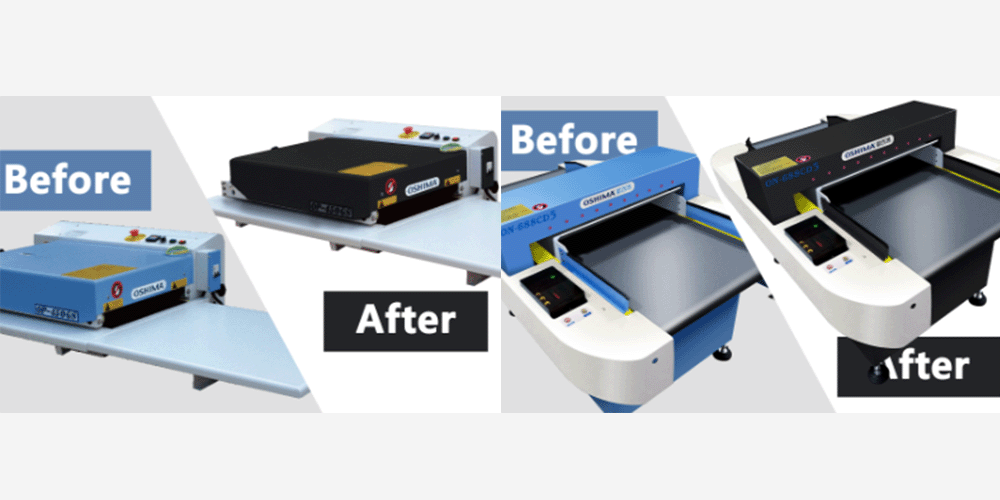
A New Look for a New Manufacturing Era
Taiwan-based machinery manufacturer OSHIMA has introduced a new industrial design identity across its equipment lineup, marking an updated visual direction as the company continues expanding into automation, IoT connectivity, and smart manufacturing technologies.
As part of this transition, customers were offered flexible color options during the rollout phase. Moving forward, OSHIMA will gradually introduce a refined black machine finish as part of its next-generation product appearance.
The updated design presents a cleaner, more modern industrial aesthetic, reflecting the company’s evolution from traditional machinery manufacturing toward connected and intelligent production solutions.
More Than Appearance: A Reflection of Product Direction
The design refresh is more than a visual update.
It signals OSHIMA’s broader transformation in:
- industrial automation
- IoT-connected equipment
- smart manufacturing integration
- product engineering refinement
- next-generation factory solutions
The new appearance aligns with how modern industrial equipment is increasingly expected to combine performance, reliability, and design sophistication.
Built on a Legacy of Reliability
For decades, OSHIMA has been recognized for dependable machinery, practical engineering, and long-term customer trust across global manufacturing markets.
Its long-standing brand identity, represented through its signature colors and engineering consistency, continues to symbolize:
- reliability
- operational stability
- safety
- long-term manufacturing confidence
The refreshed product appearance builds on that foundation while introducing a design language suited for the next generation of manufacturing.
Looking Ahead
As industrial manufacturing enters a more connected era, OSHIMA continues investing in equipment innovation, AI-enabled quality systems, automation technologies, and IoT-ready production infrastructure.
The new machine design marks another step in aligning product engineering with the future of industrial manufacturing.

